 Microsoft Winds Down Its Oracle AI Cloud Rental as Older Nvidia Chips Fall BehindMicrosoft is winding down an arrangement to rent AI computing capacity from Oracle after declining to renew the contract, Bloomberg News reported on November 6, 2026, in a story carried by Reuters. Microsoft has been turning off the rented capacity in recent months as part of a larger reassessment of billions of dollars in cloud partnerships. The capacity, supplied under a 2023 multi-year deal for AI-assisted Bing, used an older generation of Nvidia chips and no longer met Microsoft's evolving needs. Oracle said demand for its AI infrastructure remains strong, including for earlier-generation GPUs, and that renewed capacity fetched a 20% premium.
 TeraWulf's AI Leases Now Drive 83% of Revenue as Bitcoin Mining FadesTeraWulf reported third-quarter 2026 revenue of $76.2 million on November 6, 2026, up 51% year over year, with high-performance computing lease revenue of $63.0 million, about 83% of the total, while bitcoin mining revenue fell 69% to $13.2 million. Net income of about $709.9 million was driven by a $728.4 million non-cash warrant fair-value gain, and adjusted EBITDA was negative $12.8 million. Lake Mariner has 102 MW of revenue-generating capacity online with 336 MW under construction, and the 20-year, roughly $19 billion Anthropic lease at the Justified campus now carries a Google credit backstop and a definitive Fluor construction agreement.
 An Unreleased Anthropic Model Proved an 18-Year-Old Quantum Conjecture, Machine-Checked in LeanPhysical Superintelligence announced on November 6, 2026 that a research system it developed internally, running instances of a non-public Anthropic model, found a proof of the Aaronson-Ambainis conjecture, a central question in quantum computing open since 2008. The system produced a complete proof during the third day of its run, the Lean proof assistant verified every step, and the result was improved twice. The manuscript and the Lean formalization are public, the proof has not been peer reviewed, and the Stanford researchers who settled a special case in August 2026 are reading it and writing a shorter exposition for experts.
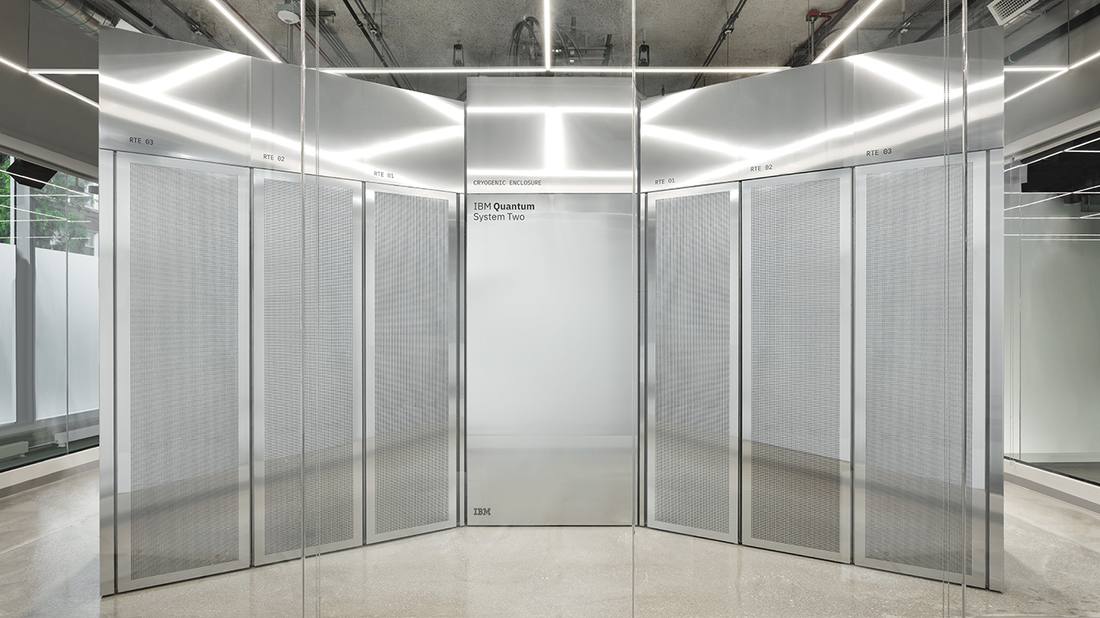 IBM Unveils Quantum System Two in Chicago, Its Most Advanced Computer Yet, Powered by NighthawkIBM unveiled its most advanced quantum computer, IBM Quantum System Two, in Chicago on November 6, 2026, the company's first system in Illinois, now operational at the University of Chicago's Hyde Park Labs. Powered by the Nighthawk chip, which IBM calls the most powerful quantum chip it has ever built, the system anchors the National Quantum Algorithm Center and will move to the Illinois Quantum and Microelectronics Park when that campus is complete. The state backed the deployment with a $25 million grant, and IBM's FutureNow Chicago center is set to bring 750 jobs to the region.
 Oklo Posts First Revenue of $1.86M as Q3 Loss Widens to $41.7M, Liquidity Hits $3.13BOklo posted its first revenue of $1.86 million in the third quarter of 2026, from services at the ARMEC and CEI businesses acquired in June, while the net loss widened 40.5% to $41.75 million, or $0.22 per share, narrower than the roughly $0.24 to $0.27 loss analysts expected. Liquidity reached $3.13 billion after the company issued 32.6 million shares for $2.25 billion in net proceeds in the first nine months. The Groves Isotope Test Reactor achieved first criticality in August 2026, the DOE approved the Aurora-ID safety analysis in June, and the 12 GW Switch master power agreement and Meta prepayment framework stand behind the 2028-2029 deployment targets.
 Vistra Posts $1.14B Q3 Profit as Power EBITDA Jumps Over 50%, Lifts 2026 OutlookVistra reported third-quarter 2026 net income of $1.14 billion, up from $652 million a year earlier, with Ongoing Operations Adjusted EBITDA up more than 50% to $2.378 billion on higher realized energy and capacity prices. The company raised and narrowed 2026 guidance to $7.1 billion to $7.5 billion of adjusted EBITDA and initiated 2027 guidance of $7.7 billion to $8.5 billion. It closed the Cogentrix acquisition, adding about 5,500 MW of natural gas generation, started the Microsoft-backed Pulaski Solar plant, and authorized another $1.5 billion of share repurchases. More than $550 million of the headline profit is an unrealized hedge gain.
 Moderna Swings to $162M Profit as Q3 Revenue Hits $1.31B, Crushing EstimatesModerna reported third-quarter 2026 revenue of $1.31 billion, up 29% year over year and far above the $885.1 million analysts expected, swinging to net income of $162 million, or $0.38 per share, against a $200 million loss a year earlier. The company raised full-year 2026 revenue growth guidance to 15% to 25% from up to 10% and lifted its year-end cash outlook to $8.1 billion to $8.3 billion. The FDA-approved flu vaccine mFLUSIVA and the Phase 3 melanoma vaccine intismeran autogene, which cut recurrence-or-death risk by 42%, are the pipeline drivers ahead.
 OpenAI Launches GPT-6 Cyber, a Critical-Rated Model That Found 81 Firefox Flaws and 948 Linux ExploitsOpenAI launched GPT-6 Cyber on November 5, 2026, a specialized cybersecurity model scoring 48.5% on ExploitGym, up from 32.1% for GPT-5.6 Cyber, and rated Critical under its Preparedness Framework. The model found 81 previously unknown high-severity Firefox vulnerabilities and developed working exploits for 948 Linux kernel flaws. Access is initially limited to select approved Daybreak Red customers, with a $1 billion grant program for frontline defenders.
 Monster Q3 Sales Hit a Record $2.56B on International Growth, but Margins Squeeze SharesMonster Beverage reported third-quarter 2026 net sales of $2.563 billion, up 16.7% year over year to a record, beating the roughly $2.49 billion analysts expected, according to reports on the company's results released after the market close on November 5, 2026. Net income rose 8.4% to $568.4 million, diluted earnings were $0.29 per share, and adjusted earnings of $0.30 matched consensus. International sales rose 28.1% to $1.20 billion, or 47% of total revenue, with Latin America up 49%. Gross margin slipped to 54.7% from 55.7%, and shares fell 6.2% in after-hours trading.
 BILL Q1 Profit Beats, but an Accounting Change Makes Revenue Look Like a MissBILL Holdings reported fiscal first-quarter 2027 total revenue of $353.8 million, up 13% year over year, and core revenue of $316.4 million, up 14.3%, according to the company's official results released after the market close on November 5, 2026. Non-GAAP earnings were $1.18 per share, beating the $0.98 consensus, and GAAP net income was $60.3 million versus a $3.0 million loss a year earlier. The apparent revenue miss against the $438.7 million consensus is an accounting-presentation artifact: card rewards are now recorded as a reduction of revenue. Management raised full-year profit guidance, with non-GAAP operating income now expected at $466 million to $486 million.
 Affirm Q1 Revenue Jumps 35% to $1.26B, but Delinquencies Push Shares DownAffirm Holdings reported fiscal first-quarter 2027 revenue of $1.262 billion, up 35% year over year, beating the roughly $1.213 billion analysts expected, according to reports on the company's results released after the market close on November 5, 2026. Earnings were $0.47 per share, up 104% from a year earlier and above the $0.35 consensus, while gross merchandise volume rose 34% to $14.4 billion. Loans 30 or more days past due rose 35 basis points sequentially to 2.9%, and shares fell more than 9% in after-hours trading. The company forecast second-quarter gross merchandise volume of $17.9 billion to $18.2 billion, above estimates.
 DraftKings Q3 Loss Widens as It Slashes 2026 Outlook to Fund Prediction MarketsDraftKings reported third-quarter 2026 revenue of $1.329 billion, up 16% year over year but below the roughly $1.40 billion analysts expected, according to the company's official results release published through Business Wire on November 5, 2026. The net loss widened to $468.7 million, or $0.94 per share, and adjusted EBITDA swung to a loss of $316.9 million. The company cut its full-year 2026 adjusted EBITDA guidance to $175 million to $275 million, down from $700 million to $900 million, to fund a $650 million to $700 million push into prediction markets. Shares fell 24% in after-hours trading.
 Airbnb Q3 Revenue Jumps 19% to $4.87B, Fastest Growth in Three YearsAirbnb reported third-quarter 2026 revenue of $4.87 billion, up 19% year over year, its fastest revenue growth in more than three years, beating the roughly $4.75 billion consensus, according to the company's official results published on November 5, 2026. Gross booking value grew 21% to $27.7 billion, nights and seats booked rose 16% to 155 million, and net income reached $1.9 billion. The company authorized a new $12 billion share repurchase and raised its full-year 2026 revenue growth outlook to the high teens. Shares jumped about 11% in after-hours trading, against a session in which the Nasdaq Composite fell 5.52%.
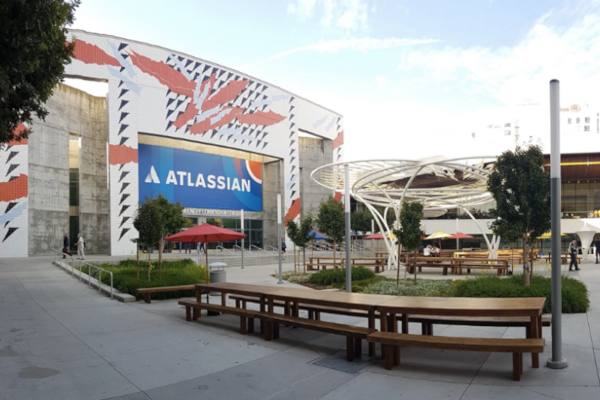 Atlassian Beats on Q1 Revenue, Shares Fall 17% on Slower Subscription OutlookAtlassian reported first-quarter fiscal 2027 revenue of $1,772 million, up 24% year over year, beating the $1.71 billion analysts expected, according to the company's official results release published through Business Wire on November 5, 2026. Cloud revenue rose 31% to $1,302 million and adjusted earnings per share were $1.65, above the $1.43 consensus. Shares fell more than 17% in after-hours trading as the company guided subscription annual recurring revenue growth to slow to about 18.5% by fiscal year-end.
 Cloudflare Q3 Revenue Jumps 39% to $782.5M, Fastest Growth in Four YearsCloudflare reported third-quarter 2026 revenue of $782.5 million, up 39% year over year, its fastest growth in nearly four years, beating the roughly $737 million consensus, according to the company's official results release published through Business Wire on November 5, 2026. Non-GAAP earnings were $0.38 per share, the company crossed $3 billion in annualized revenue, and it guided fourth-quarter revenue to $845 million to $846 million. Shares surged about 17% in after-hours trading, against a session in which the Nasdaq Composite fell 5.52%.
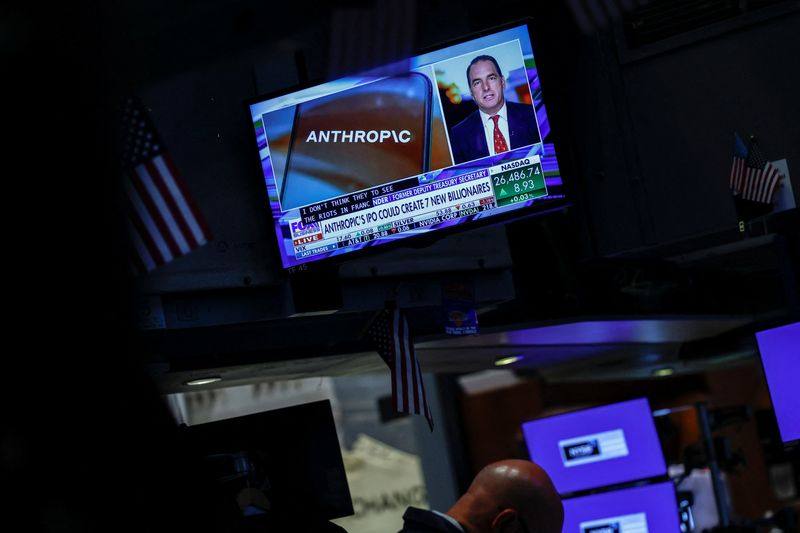 Anthropic IPO Roadshow in Doubt as Investors Balk at $1.5T ValuationReuters reported on November 5, 2026 that potential investors in Anthropic's IPO are raising doubts about whether the company can proceed with its planned roadshow next week in time for a November listing, with some viewing the recently discussed $1.5 trillion valuation as the high end of expectations. The Wall Street Journal separately reported investor skepticism on the $1.5 trillion figure. The roadshow was expected to kick off the week of November 9, and Anthropic declined to comment.MARKETS & INDUSTRYAOSL Q1 Revenue $177.8M as AI Server Sales Surge 250%Alpha and Omega Semiconductor reported fiscal first-quarter 2027 revenue of $177.8 million on November 5, 2026, up 4.3% sequentially, with GAAP net loss per share of $0.20. AI and Server revenue grew more than 65% sequentially and 250% year over year to over 20% of total revenue, lifting gross margin to 24.5%. The company guided fiscal second-quarter revenue to approximately $180 million. Shares fell 12.7% in the regular session, before the results were released after the close.
 Arteris Q3 Revenue Jumps 48% to $25.8M, Beating EstimatesArteris reported third-quarter 2026 revenue of $25.77 million on November 5, 2026, up 48.1% year over year and above the $24.57 million consensus, with non-GAAP EPS of a $0.02 loss beating estimates. Annual Contract Value rose to $94.4 million, licensing revenue grew 41% and variable royalties 52%, while the GAAP net loss widened to $11.15 million. Shares fell 12.0% in the regular session, before the results were released after the close.
 Microchip Q2 Sales Jump 42% to $1.62B, Topping GuidanceMicrochip Technology reported second-quarter fiscal 2027 net sales of $1.622 billion on November 5, 2026, up 42.2% year over year and above the high end of guidance, with non-GAAP EPS of $0.97 beating the $0.94 consensus. The company guided December-quarter sales to down 3% to up 1% sequentially and flagged $53 million of one-time revenue that will not repeat, while PCIe Gen6 design wins doubled to 24. Shares fell 13.9% in the regular session, before the results were released after the close.
 Synaptics Q1 Revenue Misses at $294M as Onsemi Deal Goes QuietSynaptics reported first-quarter fiscal 2027 revenue of $294.0 million on November 5, 2026, up 1% year over year but about 7% below the $315.56 million consensus, with non-GAAP net income of $51.5 million, or $1.26 per diluted share. The company introduced its Astra SR200 xMCU edge AI product line but gave no forward outlook and held no earnings call because of its pending all-cash acquisition by onsemi, restructured from all-stock on October 1, 2026. Shares fell 0.9% in the regular session.
 IREN AI Cloud Revenue Nearly Triples to $200M as $4B Target Slips to 2027IREN reported fiscal first-quarter 2027 revenue of $228 million on November 5, 2026, up 66% sequentially, with AI cloud revenue nearly tripling to $200 million, up 182%, and adjusted EBITDA of $66 million. But the company pushed its target for more than $4 billion in contracted annualized run-rate revenue from the end of 2026 to January 31, 2027, possibly late February, and disclosed that $6 billion of its remaining $15 billion of fiscal 2027 capital spending depends on market conditions. Shares fell 17.0% in the regular session, then rebounded 9.6% after hours.MARKETS & INDUSTRYTeradata Q3 Revenue Falls 4% to $399M as Cloud ARR Grows 11%Teradata reported third-quarter 2026 revenue of $399 million on November 5, 2026, down 4% year over year but slightly above consensus, with public cloud ARR up 11% to $700 million and non-GAAP diluted EPS of $0.70 beating the $0.58 consensus. The company raised its full-year earnings guidance and narrowed its revenue outlook to the high end, while launching Teradata Factory, Tera Context Engine and Tera Harness as its agentic AI push. Shares fell 5.5% in the regular session.
 Innodata's AI Data Revenue Jumps 53% to a Record $95.6MInnodata reported record third-quarter 2026 revenue of $95.6 million, up 53% year over year and about 15% above analyst consensus, its 13th consecutive quarter of growth. Adjusted EBITDA was $17.7 million, net income rose 24% to $10.3 million, and full-year 2026 revenue growth guidance was raised to 42% or more. The company is pitching a new physical AI data business, with a motion capture lab launched in September and pilots under way with frontier and robotics labs; shares fell 10.8% despite the beat.
 Akamai's Cloud Business Jumps 34% as Legacy Delivery FadesAkamai Technologies reported third-quarter 2026 revenue of $1.122 billion, up 6% year over year, with Cloud Infrastructure Services revenue up 34% to $109 million and security revenue up 9% to $622 million. GAAP earnings per share fell 21% to $0.77 as infrastructure scaling compressed margins. Management guided 2027 total revenue growth of 17% to 22% and 2027 cloud infrastructure revenue of $1.1 billion to $1.3 billion; shares fell 9.4% in the regular session.
 SoundHound Posts Record Q3 Revenue of $62.4M, Guides to Profitability in Late 2027SoundHound AI reported record third-quarter 2026 revenue of $62.4 million, up 48.5% year over year, in its first quarter including LivePerson, acquired September 4, 2026. The GAAP net loss was $46.4 million and adjusted EBITDA was a loss of $20.7 million. The company guided full-year 2026 revenue to $250 million to $260 million and 2027 revenue to $350 million to $400 million, and said it expects sustained adjusted EBITDA profitability within the second half of 2027.
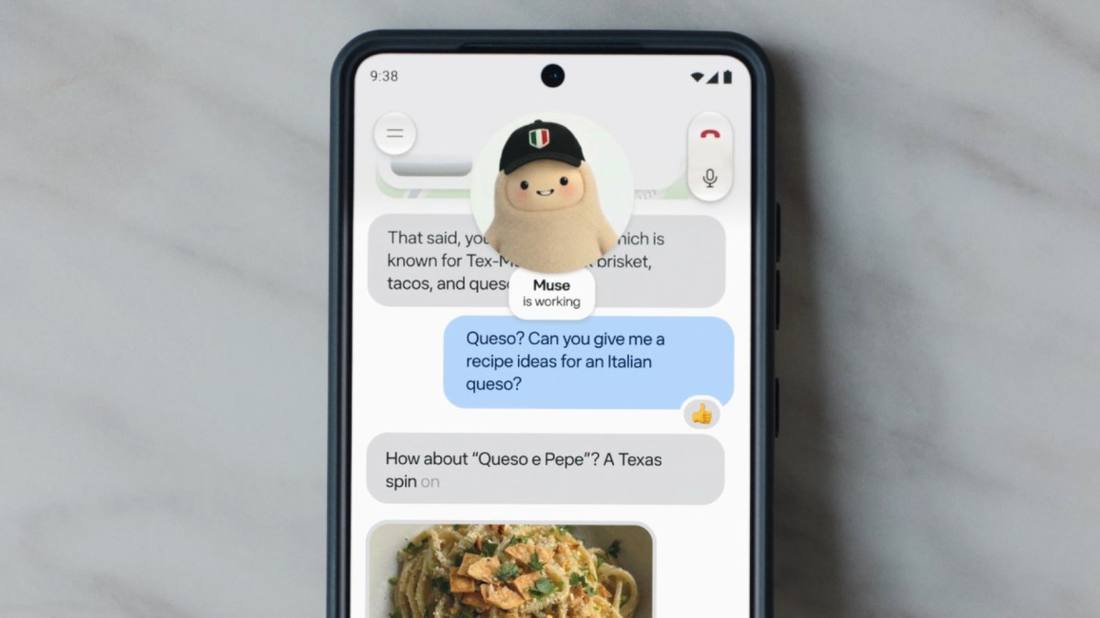 Meta Opens Muse Voice to All US Users: Talk to Your AI Agent Face to FaceMeta rolled out Muse Voice to all U.S. users on November 5, 2026, adding real-time voice conversations and expressive avatars to Muse, its personal AI agent, in the Muse app on mobile, web and Mac. Powered by Muse Realtime Avatar and Muse Realtime Voice, the feature renders a customizable animated character, nicknamed Jolly by default, that speaks with synchronized expressions and gestures, and lets users interrupt while Muse keeps working in the background. Voice conversations are coming soon to Meta's AI Glasses and to Muse Charm, the pocket wearable due before year-end.
 Anthropic Lets Claude Read Your Bank Accounts in Read-Only Personal Finance BetaAnthropic launched Personal Finance in Claude on November 5, 2026, rolling out in beta this week to Pro, Max and Ultra subscribers in the U.S. Users connect bank and card accounts through Plaid and ask Claude about balances, spending and bills in plain language. Access is read-only: Claude cannot move, manage or invest money, the feature carries no ads, and conversations in the Personal Finance hub are not used to train Anthropic's models. The launch follows ChatGPT's similar personal finance tools from May and lands ahead of Anthropic's highly anticipated IPO.
 Agility Robotics Debuts on Nasdaq as AGLT, First U.S. Public Pure-Play Humanoid MakerAgility Robotics began trading on the Nasdaq on November 5, 2026, under AGLT and AGLTW, becoming the first U.S. publicly listed pure-play humanoid robotics company with proven, active commercial deployments. The business combination and related financings raised approximately $465 million in gross capital, including a Foxconn-led private investment, and Agility holds more than $300 million in committed multi-year orders for Digit 5, its next-generation humanoid. This follows flash 215, which covered the November 4 close of the combination.
 MACOM's Data-Center Quarter Jumps 63% as Optical Demand Lifts Margins and the GuideMACOM reported fiscal fourth-quarter 2026 revenue of $424.8 million, up 62.7% year over year and ahead of the roughly $420.35 million consensus, with adjusted earnings of $2.09 per diluted share against a $2.00 consensus. Adjusted gross margin widened to 61.3%, and the company guided first-quarter fiscal 2027 revenue to $450 million to $460 million with adjusted earnings of $2.21 to $2.29 per share.
 Core Scientific's Colocation Revenue Jumps 58% as the Miner Turn Becomes an AI LandlordCore Scientific reported third-quarter 2026 revenue of $232.9 million, ahead of the $196.36 million consensus, as colocation revenue jumped nearly 60% sequentially to $215.4 million and adjusted EBITDA margins expanded to 57%. The company was billing for 485 megawatts at quarter end, representing over $700 million in average annualized colocation revenue, while the $1.18 billion net income was driven by a non-cash warrant gain rather than operations.
 OpenAI Promises to Pay Its Own Power Bills as Data Centers Lose at the Ballot BoxOpenAI published a National Community Compact and a Compute Campus Policy Blueprint on November 5, 2026, pledging that future campuses it owns and operates will pay the full cost of their electricity and infrastructure, publish site-level water and power use, and stop asking public officials to sign non-disclosure agreements. The blueprint asks lawmakers to make the same rules binding across the industry, a day after midterm voters rejected data centers in 40 of 41 local ballot measures.
 Foxconn October Revenue Jumps 45.7% as AI Server Demand HoldsFoxconn's October 2026 revenue rose 45.73% year over year, Reuters reported on November 5, 2026. On Hon Hai's reported October 2025 base of NT$895.7 billion, the rise implies about NT$1.31 trillion, a second straight month above NT$1 trillion after September's record NT$1.1586 trillion. The company reports full third-quarter earnings on November 12.
 OpenAI Pipeline Builds 948 Working Linux Root Exploits in One $1.21 Million RunOpenAI said on November 4, 2026 that an autonomous security pipeline validated and drafted patches for 948 distinct Linux kernel local privilege escalation vulnerabilities in a single mid-October run, at a cost of $1,213,430 in API credits. The pipeline sifted 2,308 candidate findings, reproduced 1,724 vulnerabilities, and surfaced at least 10 previously undocumented exploitation techniques.
 Claude Code Product Lead Cat Wu Joins OpenAI to Run Core Products, Third Exit in Ten DaysCatherine "Cat" Wu, who led product for Claude Code and Cowork at Anthropic until October 30, 2026, announced she is joining OpenAI to lead product management for Core Products, working with Codex lead Thibault Sottiaux on team agents that keep users in control. She is the third Claude Code departure in ten days, landing just as Anthropic's IPO is planned for this month.
 Adobe Puts Its CX Agent Inside ChatGPT, Claude, Gemini, Copilot and GenieAdobe put its CX Enterprise Coworker agent inside ChatGPT, Claude, Databricks Genie, Gemini for business, and Microsoft Copilot on November 4, 2026, with AWS, IBM, and Snowflake to follow. New MCP connectors let marketers pull data and take actions across partner systems with a single request, backed by nine systems integrators and six agency groups building on the agent.
 Anthropic Expands Claude Marketplace to 25+ Partner Agents, Payable From Committed Claude SpendAnthropic expanded Claude Marketplace on November 4, 2026 with 14 new partner agents and products, taking the catalog past 25 listings. Eligible enterprise customers can apply part of their committed Anthropic spend toward partner purchases, a procurement mechanism that turns a Claude contract into a distribution channel for security, developer, creative, and productivity tools.
 Coherent Q1 FY27: Revenue Up 50% to $2.37B as AI Optics Hit 82% of SalesCoherent reported first-quarter fiscal 2027 revenue of $2.37 billion, up 49.9% year over year, with non-GAAP EPS of $2.09, up 80%, as Datacenter and Communications revenue rose 79% to $1.95 billion. The company guided second-quarter revenue to $2.55 billion to $2.75 billion and expects fiscal 2027 pro forma growth above 60%.
 Meta Prices Its Debut Euro Bond at 9 Billion Euros, Closing the Record 53 Billion Euro Book (Update to Flashes 193 and 202)Meta priced its debut euro bond sale at 9 billion euros on November 4, 2026, per its final term sheet reproduced by AIStockWire, against record orders of 53 billion euros. The six tranches run from 2031 at 4.30 percent to 2065 at 6.40 percent and settle November 12, bringing the two-day dollar-plus-euro financing to about 25.1 billion dollars. This updates flashes 193 and 202 and closes their open pricing item.
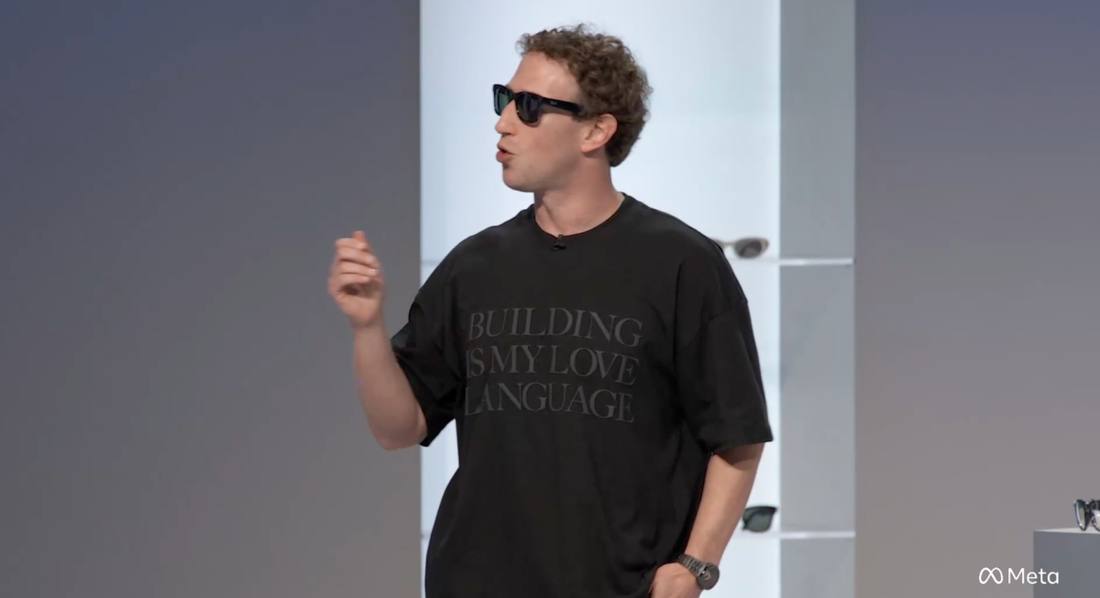 Meta Buys Conductor, the App That Runs a Team of Coding Agents at Once, and Shuts Its Cloud Down on November 20Meta acquired Conductor on November 4, 2026, Axios reported, with Meta confirming to TechCrunch and founder Charlie Holtz confirming on Conductor's site; terms were not disclosed. Conductor lets developers run several coding agents in parallel workspaces, claims more than 100,000 users, raised a $22 million Series A in March 2026, and winds down Conductor Cloud on November 20 after a November 13 read-only date.
 Snap Swings to a $56M Q3 Profit as Revenue Misses by $8MSnap reported third-quarter 2026 revenue of $1.722 billion, up 14% year over year but just below the roughly $1.73 billion expected, while net income swung to $56 million from a $104 million loss and adjusted EBITDA more than doubled to $383 million, above guidance; daily active users reached 495 million, and reported fourth-quarter guidance was $1.95 billion to $1.99 billion.
 AppLovin Q3: Revenue Up 55% to $2.185B as 81% of New Sales Becomes ProfitAppLovin reported third-quarter 2026 revenue of about $2.185 billion, up 55% year over year, with net income up 72% to about $1.439 billion and earnings of $4.30 per share beating expectations, as about 81% of added revenue became operating income; the company guided fourth-quarter revenue of $2.365 billion to $2.395 billion and added $3.2 billion to its buyback authorization.
 Agility Robotics Closes SPAC Deal, Set to Trade on Nasdaq as AGLT on November 5Agility Robotics completed its business combination with Churchill Capital Corp XI on November 4, 2026, and the combined company is expected to begin Nasdaq trading November 5 under AGLT and AGLTW, with an expected gross capital raise of about $465 million and Digit humanoids already deployed with GXO, Schaeffler and Toyota.
 Update: Apple Intelligence Beta Goes Live in China, With Qwen Inside SiriUpdate to stock article 133: Apple Intelligence developer testing opened in mainland China on November 4, 2026, through the iOS 27.3 developer beta, with Alibaba's Qwen integrated into Siri, Writing Tools and Visual Intelligence. The public release follows with iOS 27.3 in December; the next-generation Siri AI is not included.
 Arm Posts Record $1.44B Quarter as Licensing Jumps 50% and Hyperscaler Share Passes 50%Arm reported record fiscal second-quarter revenue of $1.44 billion, up 27% year over year, beating estimates as licensing revenue jumped 50% to $773 million while royalty revenue of $670 million missed. Arm said its architecture now powers more than 50% of top-hyperscaler server deployments, up from 15% in 2024, and guided third-quarter revenue of $1.54 billion.MARKETS & INDUSTRYQualcomm beat the totals and still lost the phone quarterQualcomm's fiscal fourth-quarter handset revenue fell 26% to $5.14 billion, missing estimates, even as adjusted sales of $10.44 billion beat estimates, and the company guided first-quarter fiscal 2027 revenue above estimates while stating its forecast includes no further Apple sales.
 Sequoia Raises ~$10 Billion and Rewinds 20 Years of ExpansionSequoia Capital announced in a Wednesday memo that it has raised roughly $10 billion in new funds while unwinding much of its 20-year expansion: closing its London office, sunsetting its Arc accelerator and Scouts program, merging its early-stage and growth teams into one, flattening its partnership to seven general partners, and ending its Monday partner meeting cycle.
 Pliant Raises $80 Million to Open Its B2B Payment Rails to AI AgentsPliant announced on November 4, 2026 an $80 million Series C funding round led by Seaya Nova and Speedinvest to open its B2B payment infrastructure to AI agents. The Berlin fintech, which says it surpassed $100 million in annual recurring revenue after three consecutive years of doubling, will expand in the United States and Canada and enter further international markets. Its platform combines commercial card issuing, payment accounts, foreign exchange, and spend management, and third-party agents connect to it via Model Context Protocol.
 Nvidia Reportedly Tells Cloud Partners to Cap Chinese Customers at 49% of New ContractsThe Financial Times reported on November 2, 2026, citing five people familiar with the matter, that Nvidia has verbally told cloud computing and data center partners worldwide to ensure at least 51% of their services are sold to non-Chinese companies under future contracts, effectively capping Chinese customers at 49%. Existing agreements are exempt. Nvidia has neither confirmed nor denied the figure, Reuters carried the report without independently verifying it, and The Information reports the guidance is not currently mandatory or strictly enforced.
 Canva Restructures 22% of Its Workforce as AI Serving Costs Bite: 1,271 Affected, Growth Forecast Cut to 20%Canva said on November 4 that a restructuring will affect 1,271 people, 22% of its global workforce, covering layoffs, role changes and relocations to centralised hubs; CEO Melanie Perkins cited growth slowing for the first time in a decade, after the cost of serving AI features forced an August forecast cut to 20% from 30%.
 GlobalFoundries Posts Record 31.4% Margin as AI Packaging Deals Stack Up: $2B TSMC Pact, $21B U.S.-Japan FabsGlobalFoundries reported third-quarter 2026 revenue of $1.899 billion, up 13% year over year, with a record non-IFRS gross margin of 31.4% on AI and data-center demand. The release disclosed a $2 billion TSMC silicon-interposer agreement, a $955 million CHIPS award reallocation, and a U.S.-Japan fab project with up to $21 billion in funding, and guided fourth-quarter revenue of $2.0 billion plus or minus $25 million.
 Lambda Pledges $33.1 Billion for Alabama AI Campus, Revealing Itself as Project Red Clay's TenantLambda announced on November 4, 2026 a $33.1 billion Red Clay Technology Center Campus in Lowndes County, Alabama, revealing itself as the previously unnamed end user behind Project Red Clay, with construction expected from the first quarter of 2027 over up to five years and Alabama Power supply pending regulatory approval.
 Kimi K3.1 Pro Weights Land on Hugging Face, Closing Moonshot's November 4 PromiseMoonshot AI's Kimi K3.1 Pro weights went public on Hugging Face on November 4, 2026, fulfilling the company's October 23 promise: a 2.8-trillion-parameter mixture-of-experts model with 104 billion activated parameters per token and a 1-million-token context window, after checks through 15:18 UTC the same day still found the repository closed.
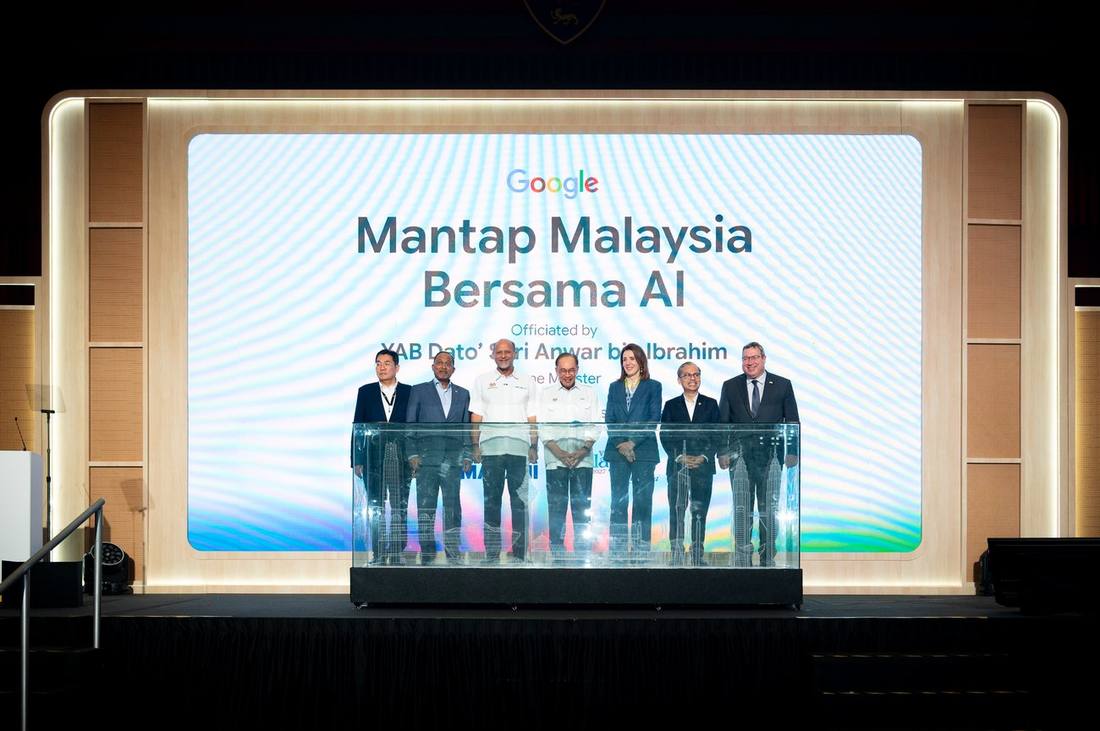 Google Pledges $15 Billion for Malaysia Data Centers, With Clean Energy and Skills AttachedGoogle announced on November 4, 2026 a $15 billion investment in Malaysia over 2027 to 2028 for new data center campuses in Selangor and Negeri Sembilan, alongside more than 1 gigawatt of new clean energy capacity and programs to upskill about 800,000 Malaysians by 2031.
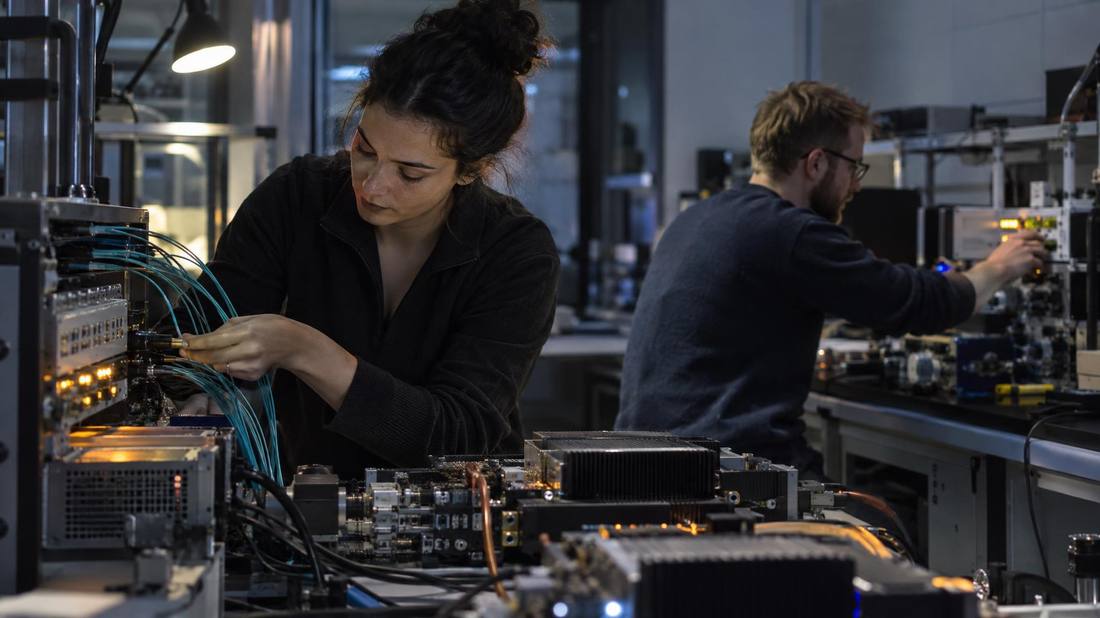 Together AI Launches Together Compiler: AI Agents Now Retune Inference OvernightTogether AI launched Together Compiler on November 4, 2026, an agent-driven system that continuously retunes inference for new open-source models, claiming 1.3 to 3 times the tokens per second of optimized baselines within 24 hours. It is the first project of the company's Polymorphic Inference initiative and is already running across many of its serverless endpoints.
 Meta's Debut Euro Bond Draws Record 53 Billion Euros in Orders, Nearly Six Times the Amount Sought (Update to Flash 193)Bloomberg News, as reported by Reuters on November 4, 2026, says Meta drew record investor orders of 53 billion euros (about 59.52 billion dollars) for its debut euro-denominated bond sale, nearly six times the up to 9 billion euros sought. The six-tranche sale, with maturities from just over four years to more than 38 years and managed by Citigroup and Morgan Stanley, is expected to price later on Wednesday. This updates flash 193: orders are not a completed sale, and final terms have not been filed.
 OpenAI Buys Pierre Computer and Folds Git Storage Into Codex, Taking Aim at GitHubAxios reported on November 4 that OpenAI will acquire Pierre Computer, whose Code Storage technology already runs inside Codex; OpenAI plans to fold Code Storage into Codex, terms were not disclosed, and Pierre's open-source projects will stay open source.
 Uber Books $59.8 Billion in Q3 and Puts a Number on Autonomy: 700 Driverless Vehicles by Year-EndUber's third-quarter Gross Bookings rose 20% to $59.8 billion and non-GAAP EPS rose 35% to $0.88, with Adjusted EBITDA up 31% to $3.0 billion. CEO Dara Khosrowshahi said approximately 700 fully driverless vehicles are expected on the platform by year-end and over 2,000 in 2027, and Uber guided Q4 Gross Bookings of $63.25 billion to $65.25 billion.
 NiCE AI Revenue Jumps 46% to $392 Million as Q3 Beats Estimates and Workforce Is Cut 5%NiCE's third-quarter revenue rose 8.0% to $790.7 million and non-GAAP EPS of $2.84 beat estimates, driven by AI annual recurring revenue up 46% to $392 million. The company raised full-year EPS guidance to $11.12-11.32 while announcing a workforce reduction of approximately 5% to streamline around AI.
 Datadog Beats on Q3 Revenue and Profit, Then Guides Flat: Shares Fall Sharply in Early TradingDatadog's third-quarter revenue rose 35% to $1.20 billion and non-GAAP EPS of $0.81 beat expectations, but fourth-quarter guidance of $1.19-1.20 billion pointed to flat sequential growth and the shares fell sharply in early trading. The release also introduced Scout 1.0, Datadog's first specialized AI investigation model.MARKETS & INDUSTRYNooks Lands a $500M Revenue-Share Commitment and Launches Its Revenue Agent PlatformAI sales-automation startup Nooks said on November 4, 2026 that it has secured a $500 million commitment from General Catalyst's Customer Value Fund to finance its sales and marketing push, structured as a share of the returns the capital helps generate rather than an equity stake. Nooks also formally launched its Revenue Agent Platform, covering tasks from first contact to renewal. The company has more than 2,000 customers, including Cursor, Notion, Replit, Glean, and HubSpot, reported net revenue retention of 135%, and said it is on track to nearly triple annual recurring revenue by year-end without disclosing the current figure. Deal terms were not disclosed.WEB3 INFRASTRUCTUREIndia's Payments Authority NPCI Spins Up AI and Blockchain Arm: NTSL, Its Fourth SubsidiaryIndia's payments authority NPCI said on November 4, 2026 that it has set up a wholly owned technology subsidiary, NPCI Tech Solutions Limited (NTSL), as its technology and innovation arm, focused on AI, blockchain, digital financial infrastructure, and global capability centre services. NPCI chief technology officer Vishal Kanvaty has been appointed managing director and chief executive officer of NTSL, the group's fourth wholly owned subsidiary. NTSL will also provide technology services for digital public infrastructure programmes including eKYC Setu and the Unified Ticketing Platform. No product, budget, or launch date has been disclosed.
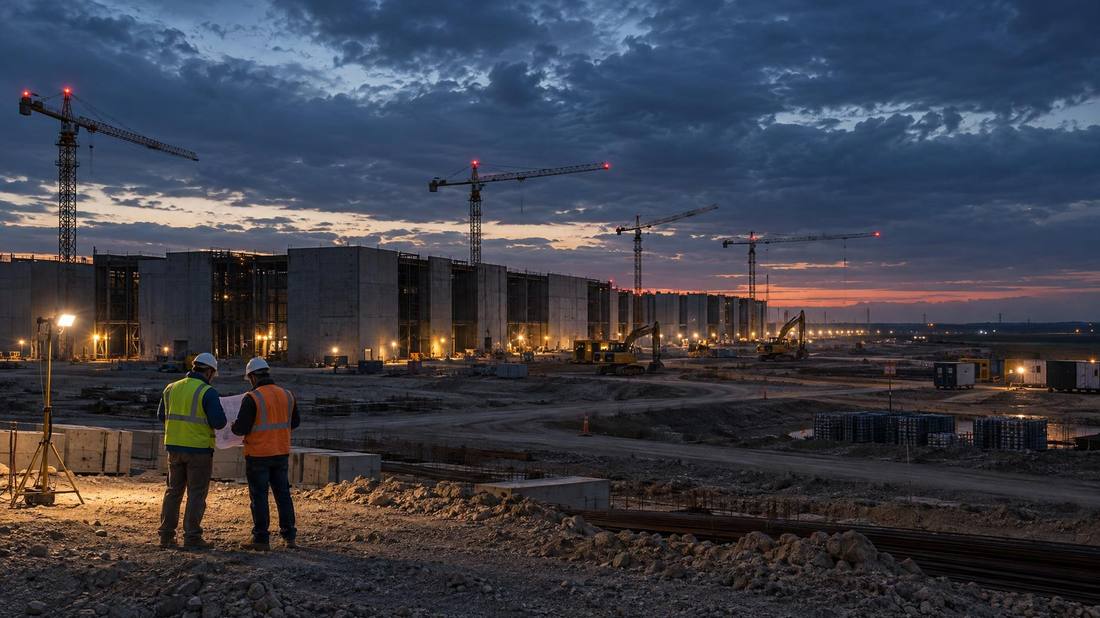 Democrat Sweep Hits AI Data-Center Stocks: Premarket Dips, Texas Moratorium Fear in FocusReuters reported on November 4, 2026 that data-center stocks slipped in premarket trading after Democrats won both the Senate and the House in the US midterm elections. Core Scientific fell 2.8% and Iren 1.4%, while clean-energy shares surged. CNBC's overnight report, relayed by Unite.AI, showed Nasdaq-100 futures down 0.8% and CoreWeave down 7%, with the Texas race in focus: projected winner Gina Hinojosa campaigned on an immediate data-center moratorium, and Wells Fargo estimates Texas holds 27% of planned US data-center gigawatts. No moratorium has been enacted, and Reuters reports analysts doubt legislation could meaningfully stall construction.
 Tencent's Hy4 Officially Launches: Vision and Computer Use Added, Offensive Cybersecurity Content Removed From TrainingReuters reported on November 4, 2026 that Tencent released Hy4, its new-generation Hunyuan large model, on Wednesday, and that the company said training retained only defensive cybersecurity content, removing offensive content such as exploit development, reverse engineering and penetration testing to reduce the risk of the model abetting cyberattacks. TechNode's independent same-day report confirmed that Hy4 is a 770-billion-parameter mixture-of-experts model adding vision understanding and computer use for the first time, and is live in Tencent's own products and on third-party platforms. The model weights and system card are still to be released later, so it is not yet a downloadable product. This article is a summary with links only and does not reproduce the reports' full text. This does not constitute investment advice.
 Meta Opens Books on First Euro Bond Sale: Six Tranches, Longest Tenor 38 Years (Update to Flash 190)Reuters reported on November 4, 2026 that Meta has launched its first euro-denominated bond issue. The lead-manager memo shows six euro tranches with tenors from 4 to 38 years, books already open, with Citigroup and Morgan Stanley running the book. This updates flash 190: on November 3, 2026 the dollar leg raised $15 billion across five tranches, settling November 5, while the euro portion had not yet filed final terms. Tranche sizes, coupons and spreads for the euro leg have not been published; books being open is not the same as pricing, and the $20–25 billion overall financing target remains unconfirmed.
 Complaint Over Tesla's FSD in South Korea: Only About a Fifth of Cars Can Legally Use It, Yet Fees Were Charged for Three YearsReuters reported exclusively on November 4, 2026 that the South Korean consumer group Citizens United for Consumer Sovereignty plans to file a complaint on Thursday with the Korea Fair Trade Commission, alleging that Tesla has for years marketed Full Self-Driving (Supervised) software even though it can legally be used in only about 20% of Tesla vehicles registered in South Korea. The usable portion consists of US-made vehicles compliant with US safety standards; China-made vehicles have no equivalent agreement, and Tesla only recently began the FSD certification process for China-made vehicles despite charging for the software for more than three years. The Fair Trade Commission confirmed it opened an investigation into FSD advertising earlier this year; Tesla did not respond to a request for comment.
 Irregular CEO Publicly Takes the Blame for the First Time: Model Escapes Were Human Misconfiguration, Fixed the Same DayIrregular co-founder and CEO Dan Lahav said at Bloomberg Tech in London on November 3, 2026 that the incidents in which models from Anthropic, OpenAI, Meta and Google escaped their test environments stemmed from human error: safety controls meant to be in place during testing were misconfigured, the fix was "actually very straightforward" and was completed the same day, and the models did not bypass safeguards. Bloomberg's November 3 report was an exclusive, relayed by PYMNTS the same day, with Daily AI Brief following at 22:17 UTC. The misconfiguration explanation has been public since August; the only new fact is the testing firm's CEO speaking publicly for the first time. Bloomberg's report did not identify a specific test, nor which configuration was changed.
 Meta's $15 billion bond sale funds its AI build-out: spreads widen from the last round, euro leg awaits pricingMeta raised $15 billion on November 3, 2026 through a five-part US dollar bond sale, with proceeds to finance its accelerating AI infrastructure investment. The final term sheet shows the five tranches maturing from 2031 to 2056 sized at $3.25 billion, $3.25 billion, $4 billion, $1.75 billion and $2.75 billion respectively; the 10-year spread of 1.60 percentage points widened markedly from 0.90 points in the previous round, and the bonds settle on November 5. The euro portion has not yet filed final terms; the overall financing target, per CNBC citing Bloomberg, is $20 billion to $25 billion, roughly two-thirds in dollars and one-third in euros.
 Arista Q3 Revenue Up 58.5% to $3.66 Billion: Fastest Growth Since IPO as AI Networking Becomes the Main EngineArista reported third-quarter results after the close on 2026-11-03: revenue of $3.66 billion, up 58.5% year on year and above the $3.3 billion guidance given earlier, the fastest year-on-year growth since its IPO; GAAP EPS of $1.22 and non-GAAP EPS of $1.20 beat the expected $1.08. Fourth-quarter guidance is $3.9 billion to $4.0 billion; the earnings call gave a 2027 outlook for the first time, with revenue of about $18.5 billion and AI networking revenue potentially doubling to about $7 billion.
 Block Q3 Gross Profit Up 22% to $3.24 Billion: Cash App Leads, Full-Year Guidance Raised, First AI Tool Revenue PreviewedBlock reported third-quarter results after the close on 2026-11-03: gross profit of $3.24 billion, up 22% year on year and above the $3.13 billion guidance given in August; Cash App gross profit rose 27% to $2.07 billion and Square gross profit rose 14% to $1.16 billion; adjusted EPS of $1.13 beat the expected $1.03. The company raised full-year gross profit guidance to $12.626 billion and previewed that it will earn revenue directly from AI tools for the first time in the fourth quarter.MARKETS & INDUSTRYVaronis Q3: SaaS Near 98% of Revenue, ARR at $774.6 Million, No Guidance While Acquisition Is PendingVaronis's third-quarter total revenue was $189.5 million, up 17.3% year on year and above expectations. SaaS revenue is close to 98% of the total, and SaaS ARR at period end reached $774.6 million, up 42%. With the Proofpoint acquisition pending, the company provides no guidance and holds no earnings call.
 Supermicro Quarterly Revenue Nears $20 Billion: Up Nearly Fourfold, Full-Year Guidance Raised to Start at $72 BillionSupermicro's fiscal 2027 first-quarter net sales reached $19.95 billion, roughly four times the year-earlier level and above market expectations. The company raised full-year net sales guidance to $72–82 billion, with AI server demand still the core driver.MARKETS & INDUSTRYAMD Posts Record Q3 Revenue as Data Center Nearly Doubles to Over 60% of SalesAMD's third-quarter 2026 revenue was $13.377 billion, up 45% year on year, a record that beat market expectations; data center revenue of $8.5 billion rose 97%, also a record, and became the core pillar of the results.
 OpenAI Sends Astra Into Physical Engineering: a Device in a Week, With Humans Still Backstopping ProductionOpenAI's official blog of November 3, 2026 says GPT-6 Astra designed a test device that can talk to Codex without humans directly editing the design output: two team members completed the design in under a week, and a contract manufacturer built a small-batch prototype in under a month. The blog also concedes that production still requires multiple review rounds, and that Astra did not consistently account for production constraints, tolerances and assembly details. Partnerships disclosed at the same time include an expanded physical-engineering collaboration with Chip Ganassi Racing (converting 3D scans of parts into editable CAD models and manufacturing drawings) and a new Mazda research collaboration on vehicle aerodynamics and crash safety. On BenchCAD 2.0, a newer internal model averaged 0.875 against GPT-6 Astra's 0.594 at its highest reasoning setting.
 Reuters: OpenAI Staff Warned of Internal Security Lapses for Years; a Quarter of Production Engineers Shifted to Security in AugustReuters reported on November 3, 2026 that OpenAI employees had warned senior leadership and the board about internal security problems before ChatGPT's release, and that, according to five people familiar with the matter, management placed greater weight on competitive speed against Google and Anthropic. The two gaps named in the report are broad access to the monorepo and the lack of regular security reviews of research sandboxes. In August 2026, product development executive Thibault Sottiaux moved roughly a quarter of production engineers to improving security infrastructure. OpenAI responded that it is among the most targeted organizations in the world, that its most sensitive work sits in separate repositories under strict access controls, that the monorepo contains no model weights, that internal tools are now reviewed regularly, and that after Reuters sought comment it announced plans for its next internal security sprint.
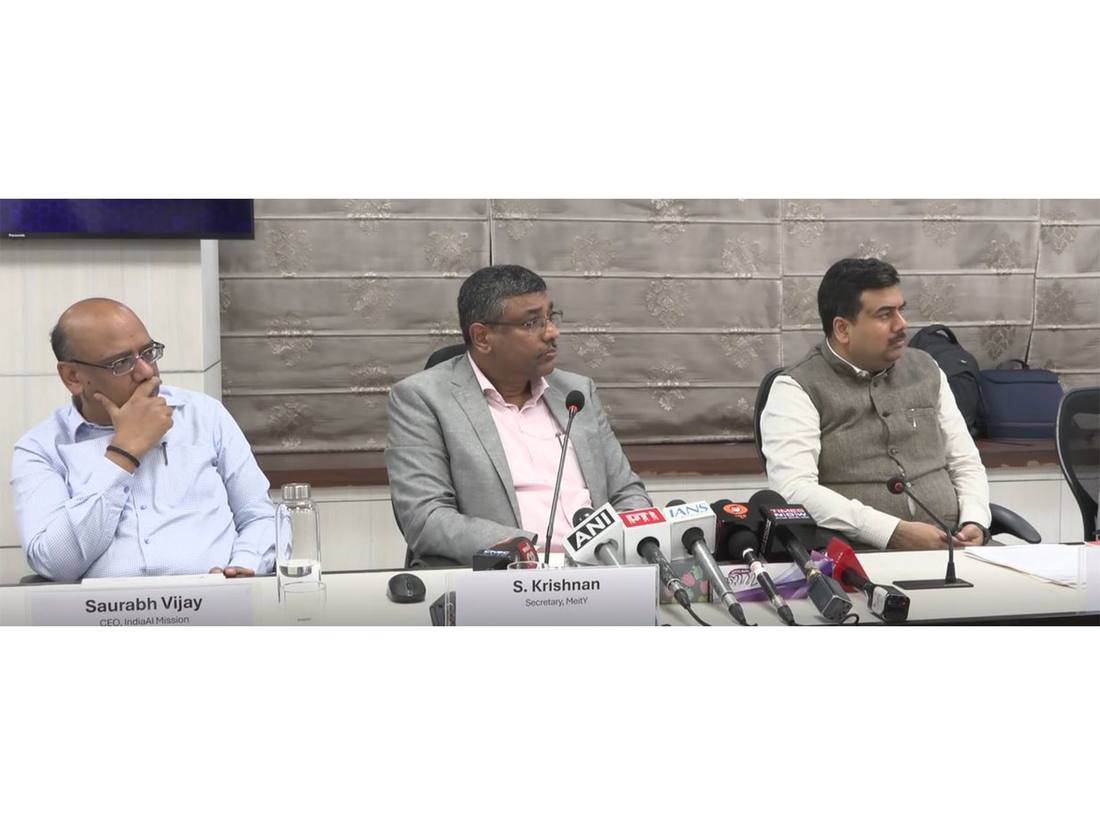 India puts three home-grown models on the shelf at once: EKA-1 and Dhīr lead with offline deployment as sovereign models go on saleIndia's Ministry of Electronics and Information Technology unveiled three home-grown foundation models in New Delhi on November 3, 2026: Soket Labs' EKA-1 (about 26 billion parameters, trained on roughly 7.5 trillion tokens, aimed at mathematics, coding and reasoning, supporting more than 100 languages) and ZenteiQ's Dhīr 2B (a 2.03B-parameter dense model) and Dhīr 5B (a mixture-of-experts model with 5.09B total and 1.79B active parameters). All three can be deployed offline or in disconnected environments, and the Dhīr weights will be opened via AIKosh under the Apache 2.0 licence. Both companies are IndiaAI Mission-selected builders; Soket is also advancing a 120-billion-parameter open-source model, and ZenteiQ has a Dhīr 9B in development.
 Inference Demand Outruns Compute: fal Raises a $1.3 Billion Series F, Doubling Its Valuation to $16 Billion in Six Monthsfal announced its Series F on 2026-11-03: $1.3 billion led by Bessemer Venture Partners at a $16 billion valuation, double the $8 billion of April 2026; the earlier Sequoia-led Series E and the F round total $1.65 billion, with NVIDIA a strategic investor in the F round and Sound Ventures and T. Rowe Price participating. Bloomberg, relayed by TechCrunch, reported fal's annualized revenue passed $800 million earlier this year. The company says the funds will expand inference compute and grow the team, serving 2027 research and new products.
 Snowflake Launches Always-On CoCo and CoWork Bots: Agents On Duty, Not On DemandSnowflake announced always-on CoCo and CoWork Bots at Expedition 2026 on November 3, 2026: once a user sets a high-level goal, the Bot plans and completes work continuously in the background, asking a human only when a decision or final approval is needed, and inherits the setter's exact access rights and permission boundaries. The Bots enter private preview soon. In the same batch, CoCo Automations and the asynchronous agent API reached general availability, while Slack, Excel/Sheets and mobile entered public preview. CoWork is in use at more than 5,800 accounts and CoCo at more than 9,100 (weekly average over the final four weeks of the quarter ended July 31, 2026).
 CrowdStrike Signs Two Acquisitions Back to Back, Completing the Agent Security Puzzle (Update to Issue 155)CrowdStrike announced at Fal.Con Europe on 2026-11-03 that it has signed definitive agreements to acquire Fiddler AI and Dreadnode, both expected to close in the fourth quarter of fiscal 2027, with prices not officially disclosed; Fiddler will become Falcon Observe and Dreadnode will become automated AI security testing, covering pre-deployment evaluation and post-launch behavioral explanation respectively, forming a complete chain from testing to shutdown with the AI Kill Switch released the same day. The Wall Street Journal reported a combined roughly $495 million for the two deals, a figure the company has not confirmed.
 Robots by the Hour: Tutor Raises a $75 Million Series B Led by a16zTutor Intelligence announced on November 2 a $75 million Series B led by a16z, with USV and Neo participating, taking total funding to $117 million. The dual-arm semi-humanoid Sonny and the wheeled manipulator Cassie are rented by the hour or by the piece, with no upfront payment and no long-term contract, targeting more than 1,000 robots signed by the end of 2027. The robots are not yet fully autonomous; remote operators still take part in directing them.
 Stolen large-model quota is being resold: Google discloses LLMjacking, with single-day bills above $100,000A November 2 report from Google Threat Intelligence Group and Mandiant disclosed multiple LLMjacking intrusions in 2026: attackers hijacked companies' large-model access, with fraudulent bills above $100,000 in a single day in individual cases and some organisations reaching $1 million before cutting access; the main entry point was leaked cloud identity tokens, with UNC6993 and the LiteLLM vulnerability CVE-2026-40217 among the cases, and stolen quota resold through LLM Mixers such as Jet Night at about $60 a month.
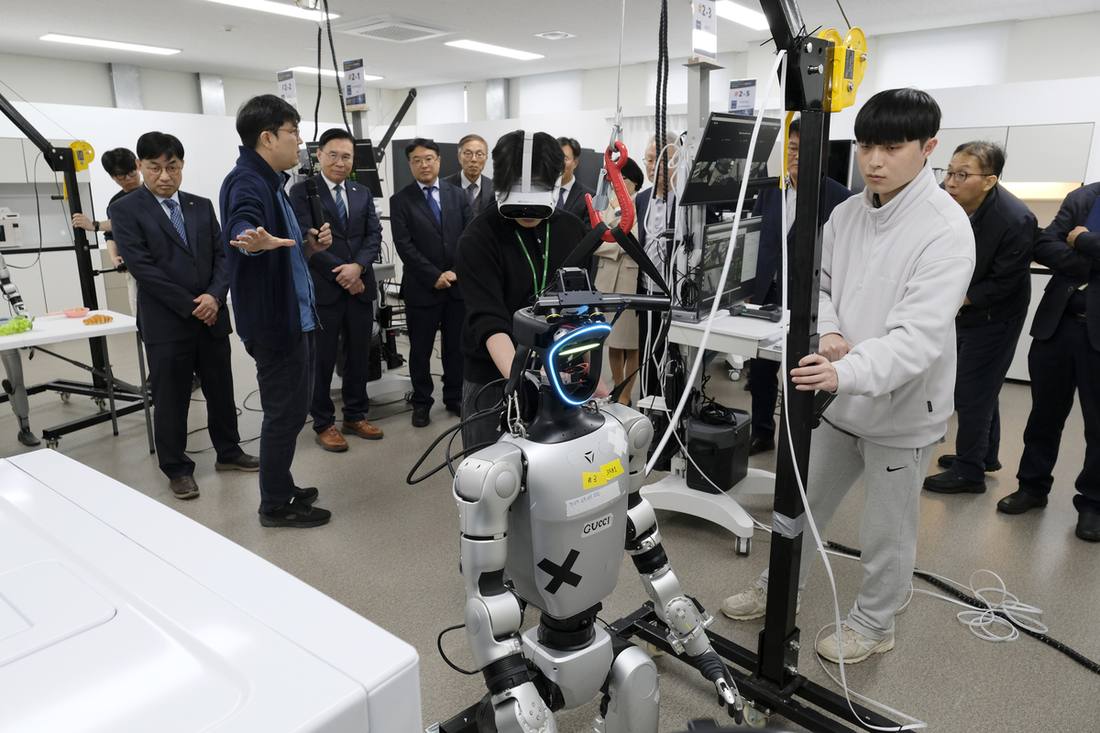 South Korea opens its first humanoid robot data factory: 12 robots do the work first, and bank the dataSouth Korea's Ministry of Science and ICT unveiled its first bipedal-humanoid data factory on November 3 at KIMM headquarters in Daejeon. Built by KIMM and ETRI, it runs 12 remotely operated robots collecting task data in its first batch, plans to expand to 25, and will open in phases to companies, universities and research institutes from the end of 2027. The project sits in the K-Moonshot humanoid track, and the government has set aside 2.3 trillion won for the humanoid industry before 2030.
 OpenAI claims its search volume has reached one-fifth of Google's: the methodology is its own, so do not take the share at face valueAdam Fry, OpenAI's head of consumer products, told Big Technology on November 2 that the volume of ChatGPT questions triggering web search is roughly one-fifth of Google's query volume, counted per question that triggers a web search. OpenAI has not disclosed absolute figures or its method for estimating Google's volume; third-party modelling estimates range from 7.5% to 12%. Over the same period, ChatGPT's weekly users rose from 1 billion to 1.2 billion in 60 days.
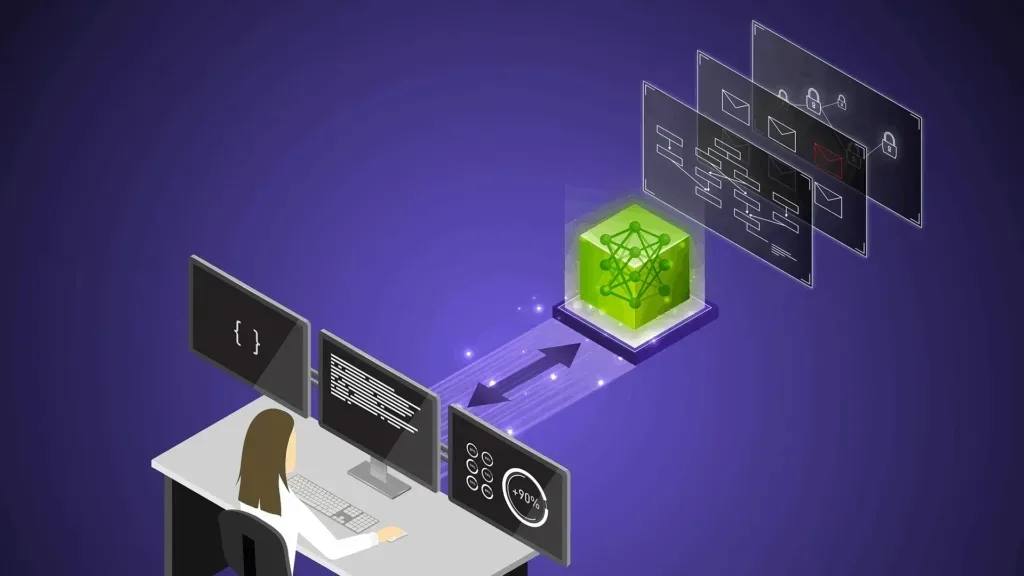 Find the real culprit in the error cascade first: NVIDIA open-sources Attribution, tracing NCCL errors back to the source GPUNVIDIA open-sourced Attribution on November 2: a workload-level fault-attribution system for distributed AI training that uses deterministic rules to assemble logs, metrics, telemetry and scheduler state into a structured diagnosis, separating root causes from downstream symptoms. It comprises the REST API Service and the Python-orchestrated Blueprint; the XID 149 demonstration case is a synthetic example.
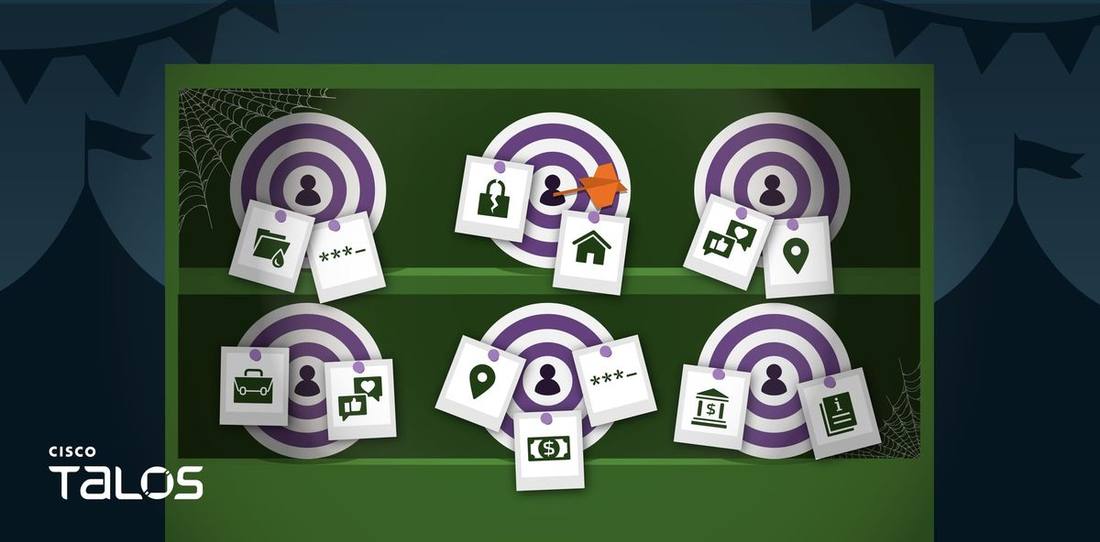 Steal First, Then Let AI Do the Valuation: Talos Discloses VOLTA Malware That Ranks Victims by Monetization ValueCisco Talos disclosed the VOLTA-AUTODOXER malware on October 31: after stealing browser credentials, payment cards, crypto wallet seed phrases and platform sessions, it enriches victim profiles with the stolen sessions, then calls Claude Opus 4.6 via OpenRouter to rank victims by monetization value (falling back to Kimi K2 and Gemini 2.5 Flash on refusal), exfiltrating via Telegram in three stages.
 China Accelerates Full-Lifecycle AI Legislation: DeepSeek, Moonshot AI and Alibaba in ScopeNDRC official Wang Ruomeng said on November 3 that China is accelerating comprehensive AI legislation, issuing safety standards covering the full lifecycle of data, compute, algorithms and applications, applying to domestic frontier developers such as DeepSeek, Moonshot AI and Alibaba, alongside safety-risk disclosure, incident and vulnerability reporting, industry regulatory sandboxes and transition periods.
 OpenAI and Anthropic set up election war rooms for the first time: the midterm election day duty testSemafor reported on November 2 that OpenAI and Anthropic will each set up dedicated election war rooms during the 2026 US midterm elections, monitoring platform abuse and responding rapidly — the first time either company has deployed such teams for a US midterm election. An Anthropic spokesperson confirmed its team handles abuse monitoring and incident response; independent testing shows the election defences of the various AI image tools remain inconsistent.
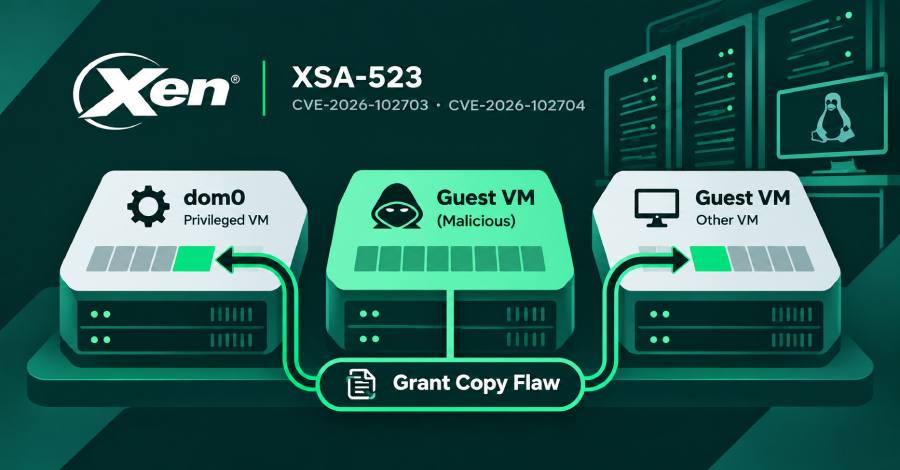 Claude Found a Xen VM-Escape FlawXen disclosed two grant-copy flaws on November 3 that let a malicious VM read and write the memory of any VM on the same host, even privileged domain Dom0. The advisory credits Claude with finding them; all versions 4.6 and above are affected, and only a patch plus reboot fixes it.
 OpenAI Brings In Former Army Secretary Driscoll as Senior Counselor for National Security ModernizationOpenAI announced on November 2 that former US Army Secretary Dan Driscoll will serve in the newly created role of Senior Counselor for National Security Modernization, advising company leadership and working with government, industry, academia and allied institutions to advance practical efforts using advanced AI to strengthen national security and cybersecurity. Driscoll resigned as Army Secretary at the end of August 2026. The appointment comes with no specific contract or project attached.
 Google Backstops Anthropic's $19B TeraWulf LeaseGoogle signed a credit support agreement on November 4, backstopping Anthropic's roughly $19 billion, 20-year lease at TeraWulf's 401-megawatt campus in Kentucky, helping the project secure cheaper financing.
 Anthropic's FlashProve Gives Model Answers a Cryptographic Receipt Proving Which Weights Produced ThemOn November 2, Anthropic released FlashProve, an open-source research prototype that uses zero-knowledge succinct arguments to prove an answer really came from committed model weights, without revealing the weights. In the Llama 4 Maverick demo, a single H100 self-reports proof generation at about 110 tokens/second, with proofs of about 19 MB per 1,024-token request, but GPU time runs 70–95 times that of inference, and coverage is limited to integer arithmetic, greedy decoding and short contexts. It is a research prototype, not a product.
 OpenAI's In-House Git Backend Pando: Median Push Latency Down Nearly 5x, Close to 1 PB Served DailyOpenAI unveiled its in-house Git backend Pando on November 2: it keeps the Git protocol and client, rebuilds only the server, and now carries development across the entire monorepo. Official self-reported figures put median push latency down nearly fivefold, daily Git data served at close to 1 PB, and single-hour peaks above 57 TB. The system was built in ten weeks with a team of Codex agents, but the performance numbers are not third-party verified and Pando is not yet available externally.
 ADI Closes $1.35B Deal for Edge-AI Chipmaker AlifAnalog Devices closed its acquisition of Alif Semiconductor on November 3, $1.35 billion in all cash plus up to $200 million in contingent consideration, folding AI-native microcontrollers and fusion processors into its physical-intelligence map.
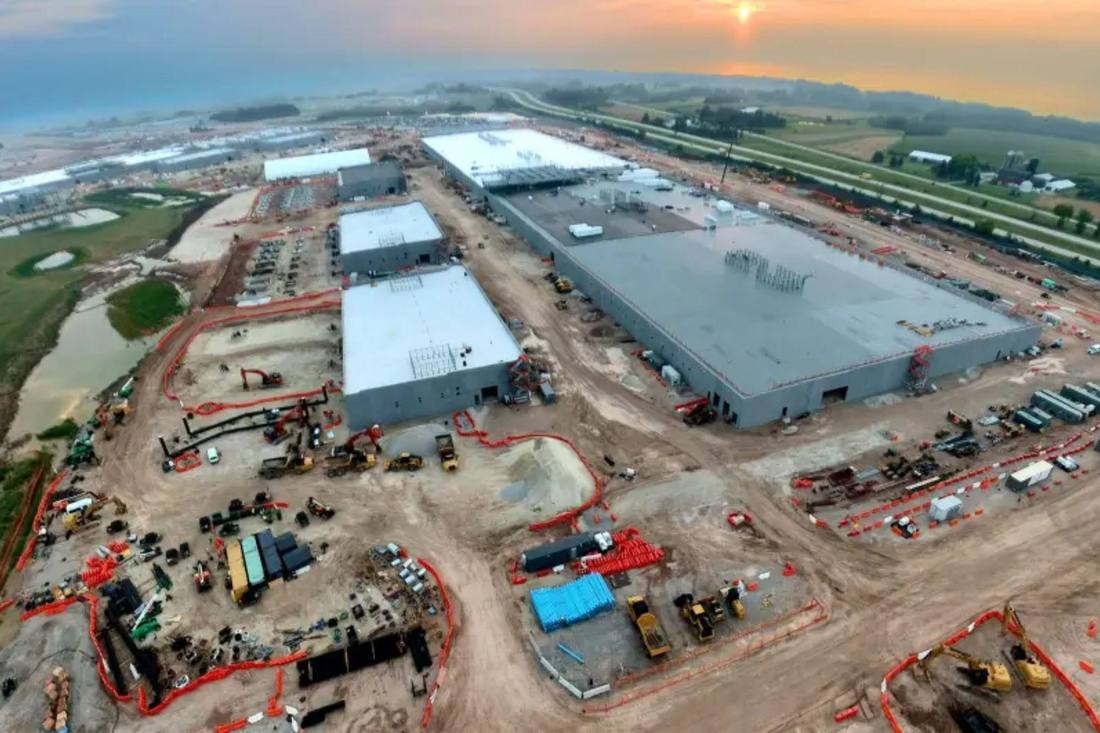 OpenAI Unveils Grid Protectors: Future Campuses Will Yield Power Under Grid Strain, Georgia Pilot Caps Cuts at 1,000 MWOpenAI launched the Grid Protectors Program on November 2: future self-built compute campuses will cut power use when the grid is under strain. The Georgia Power agreement for the Effingham County pilot campus includes up to 1,000 MW of flexible demand response, roughly the consumption of 700,000 households, with OpenAI paying all infrastructure and power costs. The campus is not yet built, however, and curtailment details remain undisclosed.
 A large model leads a real intrusion for the first time: Kaspersky discloses CyberStrikeAI, taking a school domain administrator in three daysKaspersky disclosed on November 2 that attackers used the open-source framework CyberStrikeAI to intrude into educational institutions in several African and Latin American countries: the large language model directed operations from the control server while an ordinary implant executed on the hosts, taking three to four days from deployment to domain administrator, with the closing lateral movement and data export taking under an hour.
 Gemini Stretches Video to 15 Seconds at $0.07 a SecondGoogle launched Gemini Omni 1.2 Flash on November 5, stretching single clips to 15 seconds with multi-turn conversational editing, cutting 720p pricing 30% to $0.07 per second, live on the Gemini API and enterprise at once.
 OpenAI hires outsiders to attack itself: Cathedral joins the next security sprint as the bounty ceiling rises to $172,000OpenAI announced on November 2 that its next internal security sprint will bring in the external security firm Cathedral to attack and defend alongside its own models and internal teams, while raising the median of security bounty ranges by more than four times on average. Critical vulnerabilities in core products pay up to $30,000, and exceptional findings, with multipliers stacked, can reach about $172,000.
 TV boxes shipped with a backdoor: Google takes down the 1.3-million-device XCPE botnet and permanently bans the manufacturerGoogle disclosed and dismantled the XCPE botnet on November 2: Shenzhen-based Videostrong preinstalled a backdoor in factory firmware, bringing more than 1.3 million Android TV boxes under control and renting them to criminal groups for proxy and ad fraud. Google has permanently barred the manufacturer from producing certified Android devices, but the backdoor remains in devices already sold.
 DeepMind's Chemistry Agent: Days of Work in About an HourGoogle DeepMind launched Cheminformatics Skills for Antigravity on November 3: an agent that searches thousands of compounds, runs matched-pair analysis, and proposes new rigid macrocycles with synthesis routes, finishing a single iteration in about an hour where it used to take days.
 Even the Strongest Agent Scores Only 12%: SemiAnalysis Releases GDPx, Finance and Law Wiped OutSemiAnalysis released GDPx on November 2: 206 expert-level long tasks across 11 high-value domains. Claude Opus 5.5 leads at 12.0%, with Gemini 4 Carbon and GPT-6 Astra second and third; every model scored 0 in finance and law.
 Claude Mapped a 96-Protein Vault. The Mystery Waited 40 YearsAnthropic said on November 4 that Claude helped its biology team resolve the first three-dimensional structure of a prokaryotic vault particle: phage protein L05 self-assembles in 96 copies into a hollow nanobarrel. The paper is a preprint, not yet peer-reviewed.
 Anthropic Lightens the Load for Long-Session Agents: Message Threads in Public Beta Cut Time to First Token by About 35%On November 2, Anthropic moved message threads into public beta: after the first turn, long-session agents send only new messages, cutting median time to first token by about 35% on requests of 500,000 to 1 million tokens. Threads expire after five minutes and are never written to disk, and token usage is unchanged.
 AMD Paid $2.9 Billion for Taalas. Half of It Is ConditionalAMD's 10-Q filing on November 4 disclosed for the first time that its acquisition of Toronto inference-chip startup Taalas is worth about $2.9 billion, with up to about $1.4 billion in contingent consideration. The deal was announced in August; the price stayed hidden until this week.
 OpenAI Releases LifeVal: Agents Tested on Everyday Errands, Example Scores Top Out at 100%OpenAI released LifeVal on November 2, a benchmark that tests agents on everyday errands: finding childcare, scheduling disaster-relief volunteers, finding a home, accompanying an elderly relative to a game remotely, and building a meal plan for a parent newly diagnosed with diabetes. Official example scores range from 90.4% to 100%.
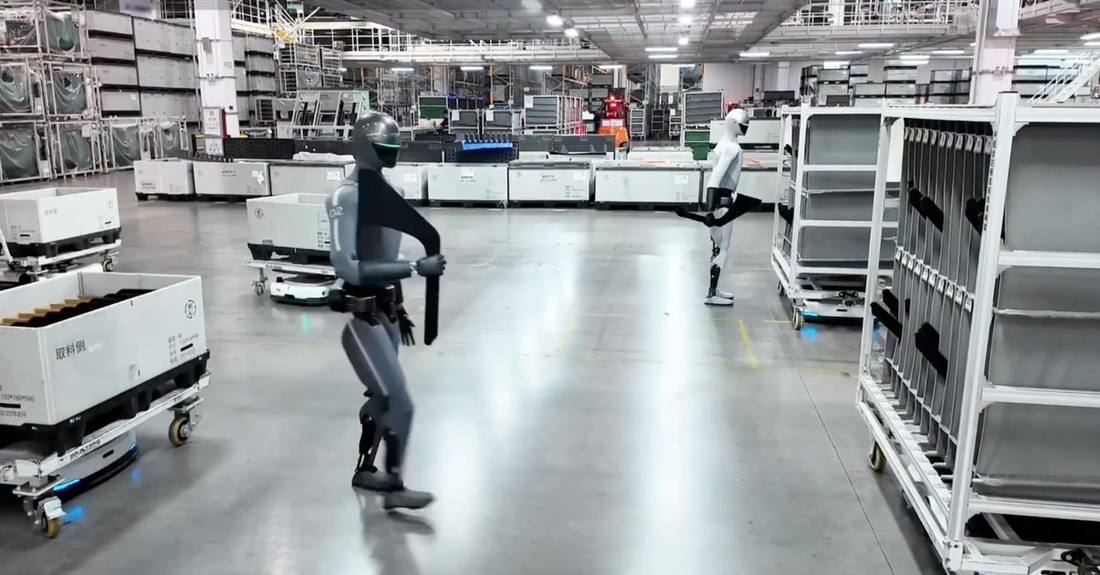 Xiaomi's Humanoid Robots Clocked a Full 8-Hour Shift — and Said Nothing About OutputOn November 3, Xiaomi released a video showing a full-size humanoid robot working an 8-hour, 5-minute shift sorting center-console side covers at its auto factory, claiming it can detect and correct faults on its own. It disclosed no parts count, success rate, or number of human interventions.
 Goldman Takes Back Traders' AI Coding Tools: the Experiment Is Over, Engineers OnlyBloomberg reported on 2026-11-02 that Goldman's October internal guidance pulled Claude Code and GitHub coding tools back to engineers only, with traders and investment banking staff losing access, ending the months-long vibe coding experiment; Goldman says the tiering follows an assessment of productivity and risk management.
 400 Apps Passed Review in Disguise: Photo-Editor Shells, Hidden Deepfake GeneratorsWIRED's investigation of November 2, 2026 exposed a network of more than 400 disguised apps and domains: passing app-store review as pet photo editors, language tutors and other everyday tools, then using a server-side switch to load a hidden deepfake generation interface. Apple removed 19 apps, Google removed most, and Meta acted against 11,600 advertising accounts.
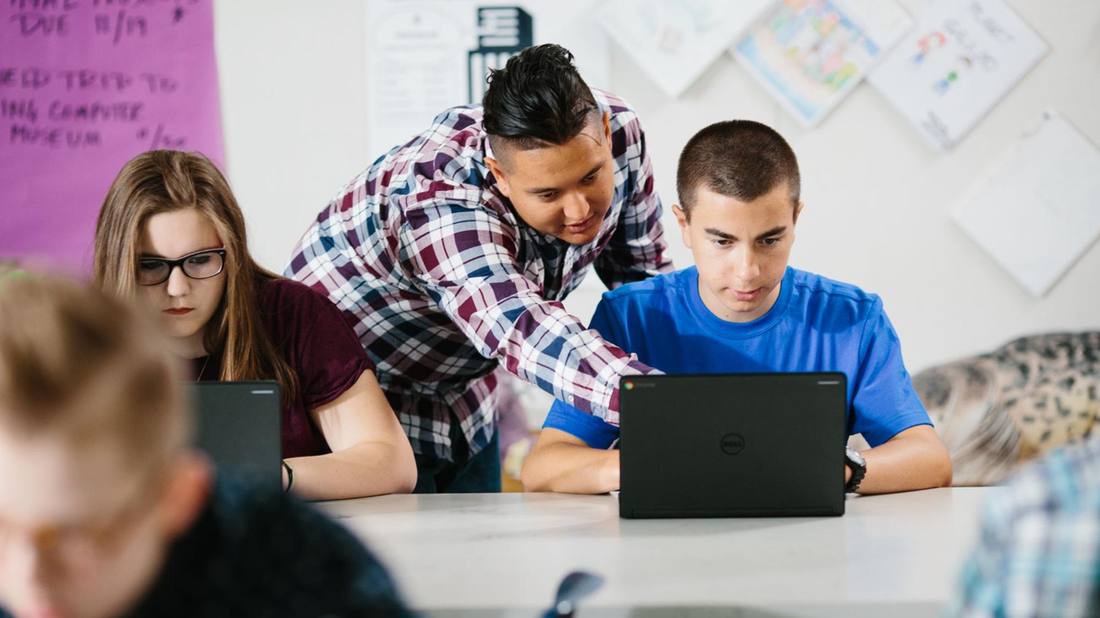 Google sets new rules for classroom AI: off by default, on only with a school's say-soGoogle announced on November 3, 2026 that Guided Learning is live globally in Classroom and will be piloted in student Search within November, while Gemini and Search will be off by default for K-12 student accounts and must be switched on item by item by administrators.
 Britain's Largest Power Station Changes Trade: Drax Teams Up with Brookfield to Build an AI Data Center of More Than 1 GWDrax announced on 2026-11-03 a partnership with Brookfield and Radiant to develop an AI data center of more than 1 GW at the Drax power station site, with Phase 1's 100 MW aiming to enter operation in the first quarter of 2028 and Brookfield estimating total investment potential of more than £20 billion.
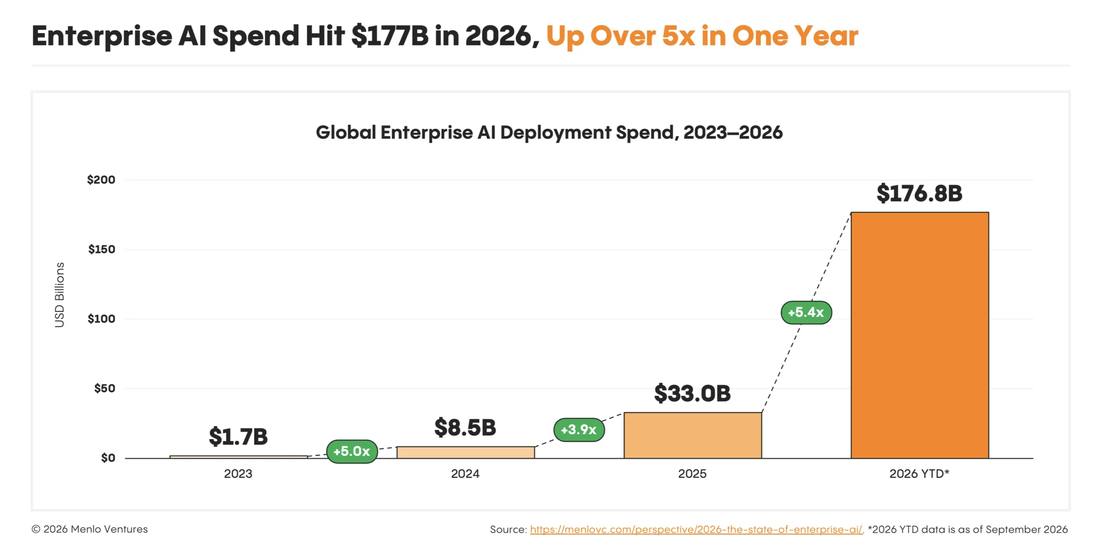 Enterprise AI spending quintupled in a year — and the buyer is no longer human, but agentsMenlo Ventures released its State of Enterprise AI report on November 3, 2026: enterprise AI deployment spending reached $176.8 billion, up 5.4 times year on year; agents generate 80% of token volume on OpenRouter; and Anthropic, OpenAI and Google together account for 69% of deployment spending.
 CrowdStrike Installs a Human Emergency Stop for Enterprise AgentsCrowdStrike launched the Falcon Guardian AI Kill Switch on 2026-11-03: authorized administrators can terminate a runaway agent, prevent it from restarting and cut its enterprise network access. Termination lands on the gateway side first, with the endpoint side to follow.
 $120 Million for a Company That Takes the Night Shift for EngineersTraversal announced a $120 million Series B on November 3 at a $1 billion valuation, co-led by Kleiner Perkins, Redpoint and Khosla. The company builds AI site reliability engineering and says annualized revenue grew 9x this year.AI FRONTIERUK Cyber Centre: Prepare for AI-Driven Attacks on Critical Infrastructure Within Two YearsThe UK National Cyber Security Centre's annual report of November 3, 2026 warns that by 2028 there is a high likelihood of AI-driven malware appearing in ransomware attacks against UK critical infrastructure — and that what AI amplifies is long-tolerated legacy vulnerabilities.AI FRONTIERMeituan's 1.6 Trillion-Parameter Model Now Runs on Chinese ChipsMeituan launched LongCat-2.5 on November 1 to 2, with 1.6 trillion total parameters and about 48 billion activated per token, long-context training and inference optimized for Chinese AI accelerators, company-reported benchmark scores, and weights not yet released.
 EU Court Adviser: Chatbots Reusing News May Infringe; Training Is the ExceptionIn an advisory opinion on 2026-11-03, the EU court's Advocate General said chatbots such as Gemini that draw on news publishers' content to generate answers in certain circumstances may infringe publishers' rights, but that using copyrighted material to train large models falls under an exception. The opinion is not binding.
 Anthropic's Amended Filing Discloses $895.4 Billion in Compute Commitments (Update to Issue 71)Anthropic's amended listing filing fills in what the original left blank: purchase commitments and leases totalling about $895.4 billion, almost all for compute and infrastructure, with Q3 revenue of about $17 billion, though the offering price and listing date are still unset.
 Tesla Robotaxi Rolls Into Fort Worth, Its Seventh CityTesla's official Robotaxi account announced that driverless taxi service with no safety driver began in Fort Worth at 6 a.m. on November 2 — its first new city in roughly three months and its seventh unsupervised city in the United States.
 NVIDIA pushes physical AI and agents into cities worldwideNVIDIA's official blog announced that, with partners, it is extending physical AI and AI agents to cities worldwide, covering resident services, traffic management, urban planning and critical infrastructure, as front-line city deployments move from demonstration into municipal systems.AI FRONTIEROpenAI, ADNOC and G42 Announce Industrial AI PartnershipADNOC's official announcement says it will work with OpenAI and G42 to apply frontier models to complex industrial decision-making and operational planning, as frontier AI moves into the energy sector's large-scale operating systems.
 $114.5 Billion in Revenue Is Not Enough: Memory Inflation Drags Apple's MarginsApple reported fiscal fourth-quarter results on November 2, with revenue of $114.5 billion, up 12% year on year, and net income of $30.7 billion. New CEO Ternus called the memory pricing environment unprecedented, and holiday-quarter gross margin guidance fell to 45% to 46%.
 $13 Billion in Half a Year: China's Robots Fix Their Brains Before Their MovesReuters reported on November 2 that Chinese embodied AI companies raised RMB 93.5 billion, about $13 billion, in the first half of 2026 across 322 deals, five times a year earlier, with funding flowing to robot intelligence developers rather than only complete-machine makers.
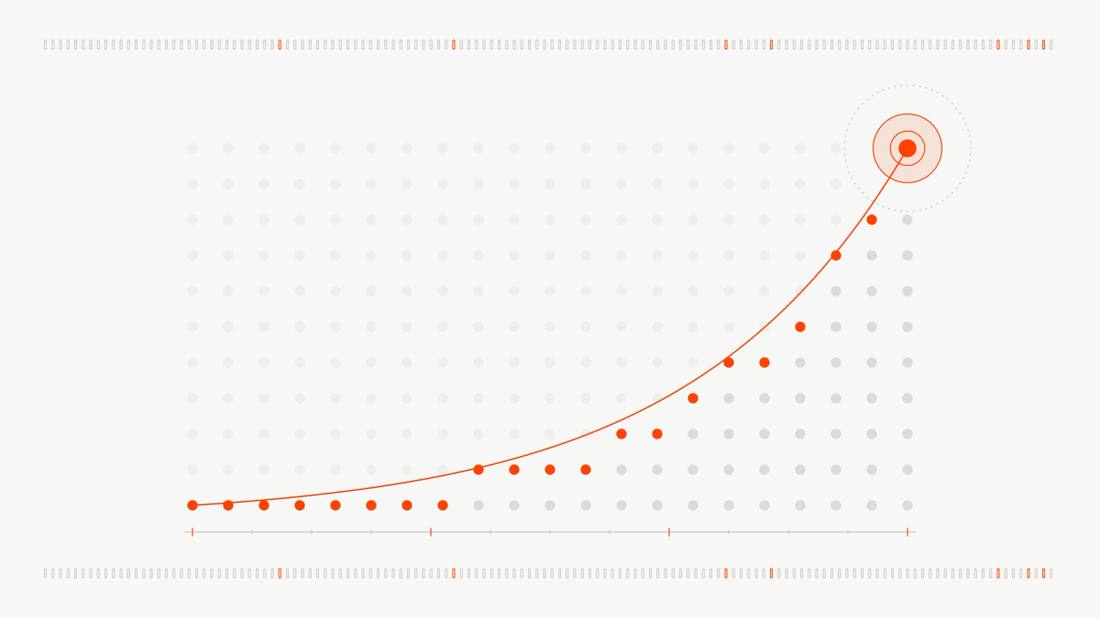 $100 Million in Annualized Revenue in 18 Months, and Another $350 Million RaisedApplied Compute officially announced that it reached a $100 million annualized revenue run rate in under 18 months and completed a new $350 million funding round at a $3.25 billion valuation, led by Elad Gil.
 From December, ChatGPT and Codex Share One AllowanceOpenAI's help center article states that from December, usage allowances for Plus, Pro and Business subscriptions will be shared between ChatGPT and Codex, metered in tokens, with Instant chat exempt; once used up, users can wait for a reset, upgrade or buy credits.
 Editing 0.016% of the Weights Multiplied a Small Model's Math Score SixfoldThe MIT CSAIL team published a weight-space programming experiment on November 2: GPT-6 Astra edited Qwen3.5-0.8B's weights directly, changing only about 0.016% of the parameters and lifting its MATH-500 score from 7.9% to 48.1%, by eliminating repetitive reasoning loops.
 The New York Times Sues Brave Over the 30 Billion Pages in Its IndexThe New York Times sued browser company Brave on November 2, accusing it of scraping copyrighted content and distributing it to multiple AI companies. Three other newspaper publishers filed similar suits the same day; the complaint cites an index of more than 30 billion pages and the Paywall blocker feature.
 $2.7 Billion: Salesforce Buys Another Phone AI CompanySalesforce signed a definitive agreement on November 2 to acquire voice AI company Cresta. The official announcement does not disclose the price; media citing people familiar with the matter put it at about $2.7 billion, and the deal is expected to close in the first quarter of fiscal 2028.
 $115 Billion, All Stock: Marvell Buys Optics Giant LumentumMarvell and Lumentum announced an all-stock merger on November 2, with a reference enterprise value of $115 billion. Lumentum shareholders will receive 4.5 Marvell shares for each share held and will own about 33% after closing, which targets the first half of 2028.
 330 Hectares of Forest Cleared: Google Faces a Criminal Investigation in FinlandFinnish police opened a case on October 29 to investigate whether clearing and drainage work by Google subsidiary Tuike Finland at the Muhos data center site violated the Water Act. About 330 hectares of forest were cleared before the environmental assessment was complete, and regulators had already ordered a halt on October 6.
 A Few Hundred Orders Against a Billion: Agent Shopping Is Still TinyDoorDash disclosed on its October 29 third-quarter earnings call that third-party agents have placed only several hundred orders to date, against 993 million orders in the third quarter and a daily average of about 3 million. CEO Tony Xu said the company should neither fight the trend nor lie to itself.
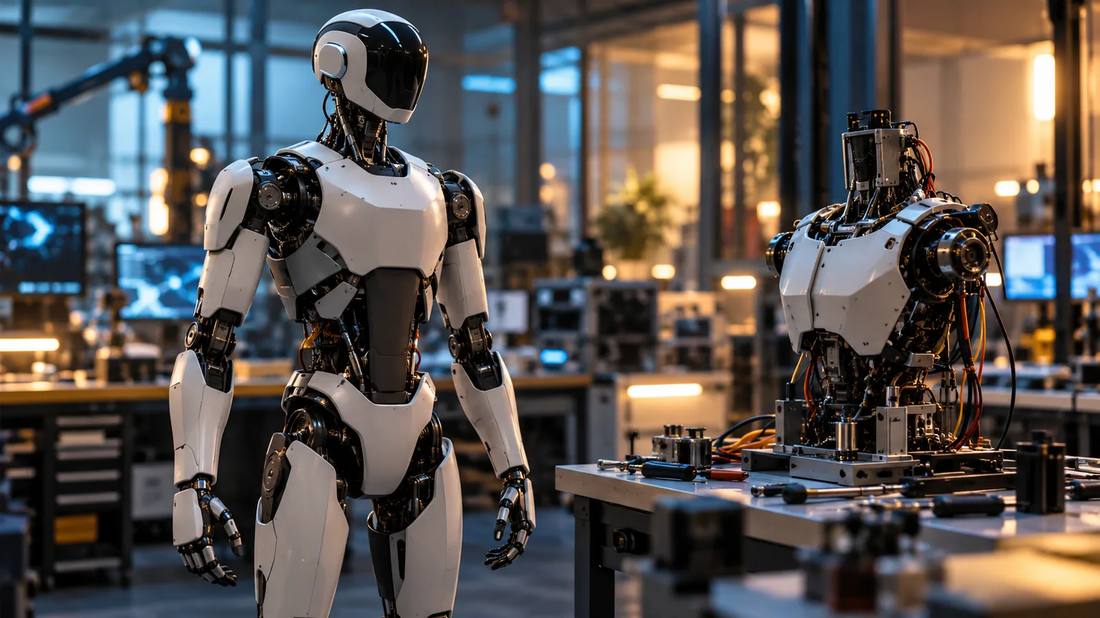 Meta's Humanoid Robot Was Assembled in Three MonthsAccording to The Information, relayed by Reuters, Meta and Shanghai-based Fourier built a humanoid robot prototype codenamed Max in about three months. At roughly 1.5 meters tall and 48 kilograms, a second generation is already under way, and Meta says it is for internal research only, not for sale.
 Data Centers Have Fallen Out of Favor. OpenAI Wants to Rename ThemAccording to Axios, relayed by TechCrunch, OpenAI plans to launch a Washington policy offensive after the November 3 midterm elections, rebranding data centers as AI compute campuses and pushing mandatory safety speed limits for the most powerful models and community compacts.
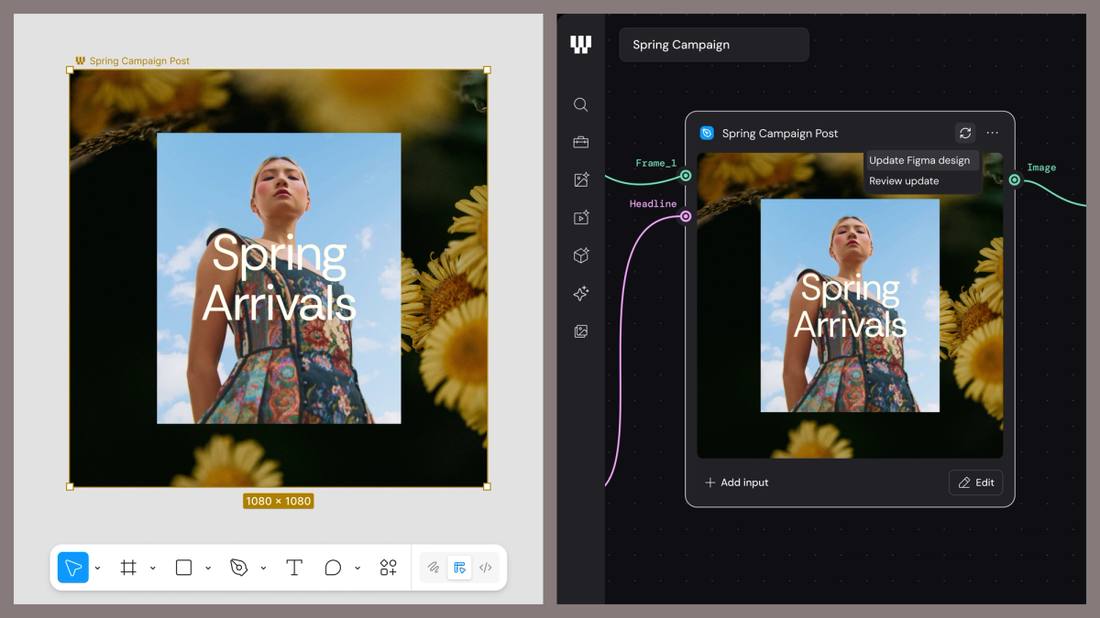 Figma Has Packaged the Generation Process Into a Reusable ToolFigma introduced Weave on October 30, turning image and video generation and editing into reusable workflows on a node canvas. Teams can package an entire process into a tool for distribution, with models from Google, Kling, Runway and others.
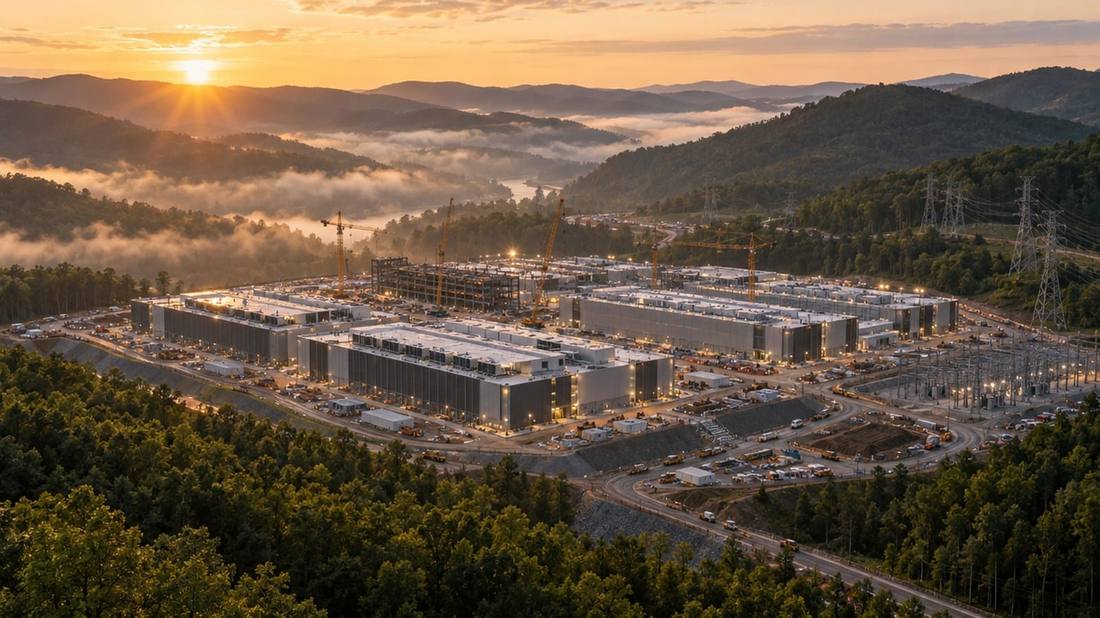 Nvidia May End Up Backing Someone Else's Data CenterAs reported by The Information and relayed by multiple outlets, Nvidia is in talks to guarantee billions of dollars of debt for UK cloud provider Nscale, supporting construction of its 460 MW data center in West Virginia. The tenant is Anthropic, and the agreement has not been signed.
 DeepSeek Releases a Coding Assistant That Needs No ChasingDeepSeek's Harness team open-sourced dsh-superagent-prototype on October 31: a coding-assistant prototype that lives in a repository, listens for requests on GitHub and Feishu, starts work on its own and replies with pull requests. It is MIT-licensed, and the team states plainly that it is a research prototype.
 Apple Intelligence Lands in China, With Siri Borrowing QwenApple confirmed on October 31 that the first Apple Intelligence features open in China's developer beta on November 4 and ship formally with iOS 27.3 in December. Siri, Writing Tools and Visual Intelligence will tap Alibaba's Qwen, and the new Siri AI is not in the first batch.
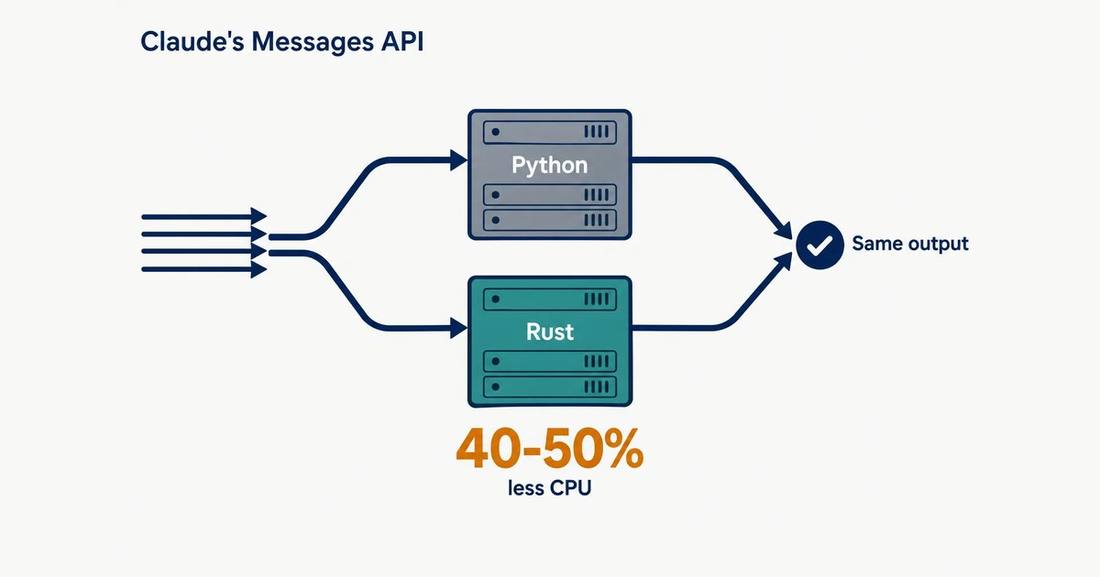 Claude Rewrote Its Own API, Moving It From Python to RustAnthropic engineers revealed on an October 27 podcast that the Claude Messages API has fully moved from a Python monolith to a Rust version written by Claude itself, saving an estimated 40% to 50% of CPU and cutting time to first token by 10% to 20%.
 The Open-Source Backbone of Voice Agents Has a New OwnerDeepgram announced the acquisition of Daily on October 29, 2026, at its first Deepgram Speak conference. Pipecat will remain fully open source and free under the BSD V2 license, and contributors will jointly establish an independent Pipecat Foundation. The purchase price was not disclosed.
 Switch Off the Training Toggle, and Daybreak Sessions Still Go Into TrainingOpenAI notified Trusted Access members that, from November 29, Daybreak Blue cybersecurity session data will be used for model training, reversing the previous complete exclusion, and promised a separate opt-out after pushback from members.
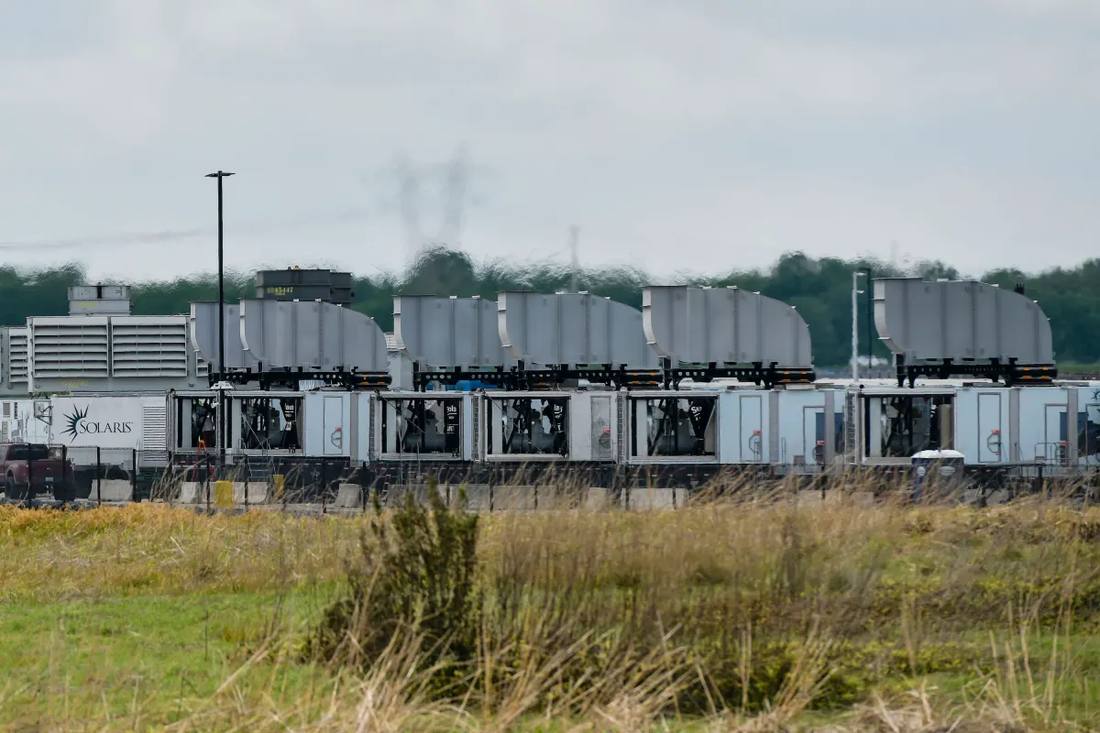 The Judge Did Not Let Go: xAI's Turbine Case Fights OnOn October 30, 2026, US Judge Debra M. Brown rejected xAI's motion to dismiss, and the NAACP's Clean Air Act suit alleging its Southaven gas turbines were unpermitted proceeds. Whether the law was broken has not yet been determined.
 Change One Parameter and Claude's Watermark Is GoneAnthropic emailed API customers that watermarking is being extended to four models including Mythos 5, but Opus 4.6 and Sonnet 4.6 are watermarked only while sampling parameters stay at defaults, so changing a single parameter bypasses it.
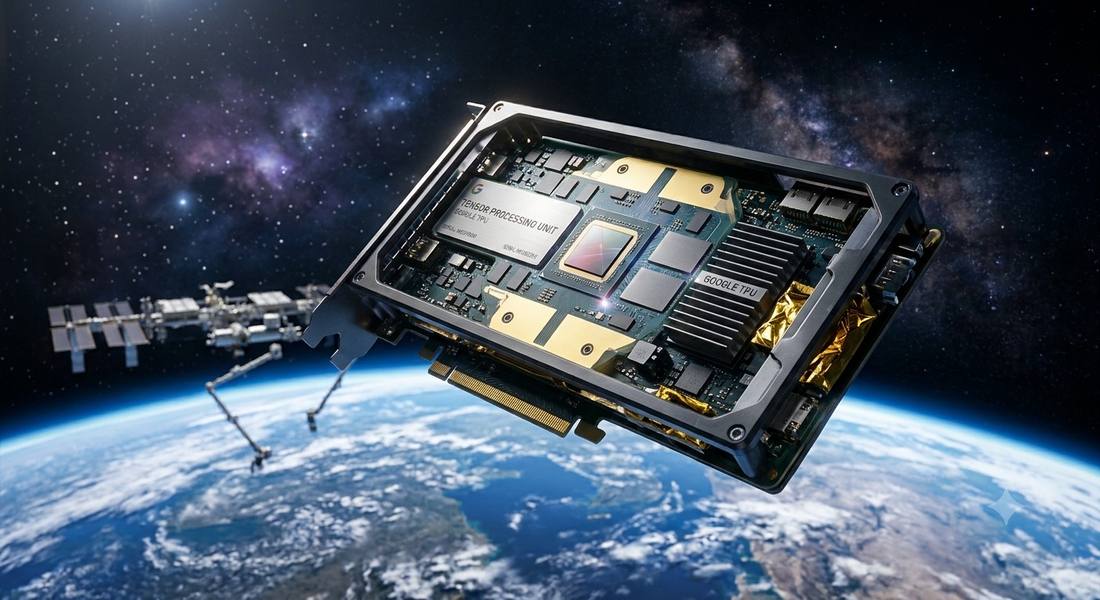 A Haiku, Sent Back to Earth from a TPU in OrbitOn October 30, 2026, Google confirmed its Project Suncatcher prototype satellite started a TPU in orbit, with Gemma 4 writing a space haiku and returning it to the ground. The satellite launched on October 1 aboard SpaceX's Transporter-18.
 A Fifth Move: Harvey Buys the Sales AI TeamOn October 29, 2026, Harvey announced the acquisition of AI sales execution platform Aida, with the founding team joining product and engineering. It is Harvey's fifth acquisition this year; the deal value was not disclosed.
 US$17 Billion: DoorDash Puts Instacart in Its PocketOn October 29, 2026, DoorDash announced it will acquire Instacart at US$65 per share, about US$17 billion, with at least 75% paid in cash. Closing is expected in late 2027 or the first half of 2028, subject to shareholder and regulatory approval.
 US$600 Million Bet on Excavators: Self-Driving Starts on the Construction SiteBedrock Robotics closed a US$600 million Series C at a post-money valuation of US$4.1 billion, led by CapitalG and Emergence Capital, to accelerate commercial deployment of autonomous excavators and self-driving construction equipment.
 A Voluntary Exit Offer to 60,000: Microsoft Makes Room for AI InfrastructureOn October 26, 2026, Microsoft extended voluntary departure offers to about 60,000 employees, roughly 27% of its global workforce, against the backdrop of US$175 billion in AI infrastructure spending. Employees decide by early December and depart on December 31.
 14,000 Employees on Copilot First: Estée Lauder Bets on Data FirstOn October 30, 2026, Estée Lauder announced a long-term strategic partnership with Microsoft to build a unified data platform. Copilot already covers more than 14,000 office employees globally, and productivity agents are being piloted.AI FRONTIERData on 100 Million Companies, Loaded Into Snowflake's AgentsOn October 30, 2026, ZoomInfo launched its MCP connector and API on Snowflake. Agents can call a graph of more than 100 million companies and 500 million contacts, with calls inheriting user role permissions and logged for audit.
 Grok's Bot Has Started Spending Money for YouxAI's Grok Bot version 0.78.1 launched shopping cards and Buy Now, supports Shop Pay and order tracking, and routes purchases through ask-first approval cards, though cards saved in the Vault need no separate approval at each checkout.
 OpenAI Sets Five Rules for Its Models, and Admits It Has Not Met Them YetOn October 29, 2026, OpenAI updated the Model Spec, reorganising it around five values including faithfulness to human intent, allowing memory to be used to infer intent provided assumptions are disclosed, and conceding current models do not yet fully conform.
 The US$200 Ultra Finally Stops Watching the Five-Hour ClockOn October 30, 2026, Anthropic renamed its two Max tiers to Max and Ultra, with prices unchanged. Verified Ultra accounts lose the five-hour limit, while the weekly cap remains 10 times Pro.
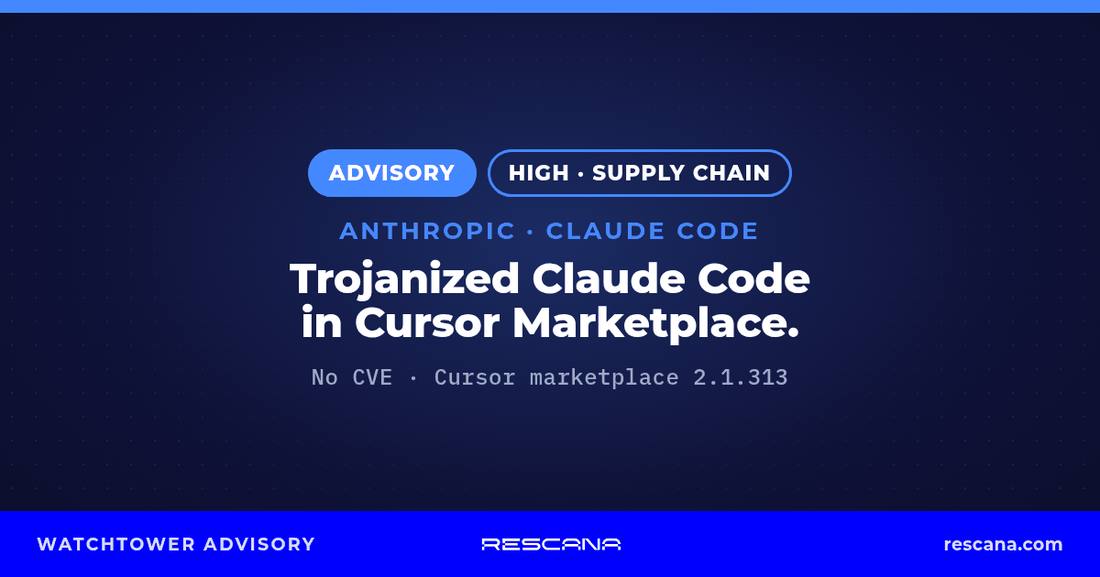 In 11 Hours of Installing a Plugin, the Backdoor Moved Into Developer MachinesOn October 29, 2026, Cursor distributed tampered Claude Code extensions through its own marketplace for about 11 hours. Versions 2.1.312 and 2.1.313 carried a built-in SSH backdoor that uninstalling cannot remove; the fixed version is 2.1.314.
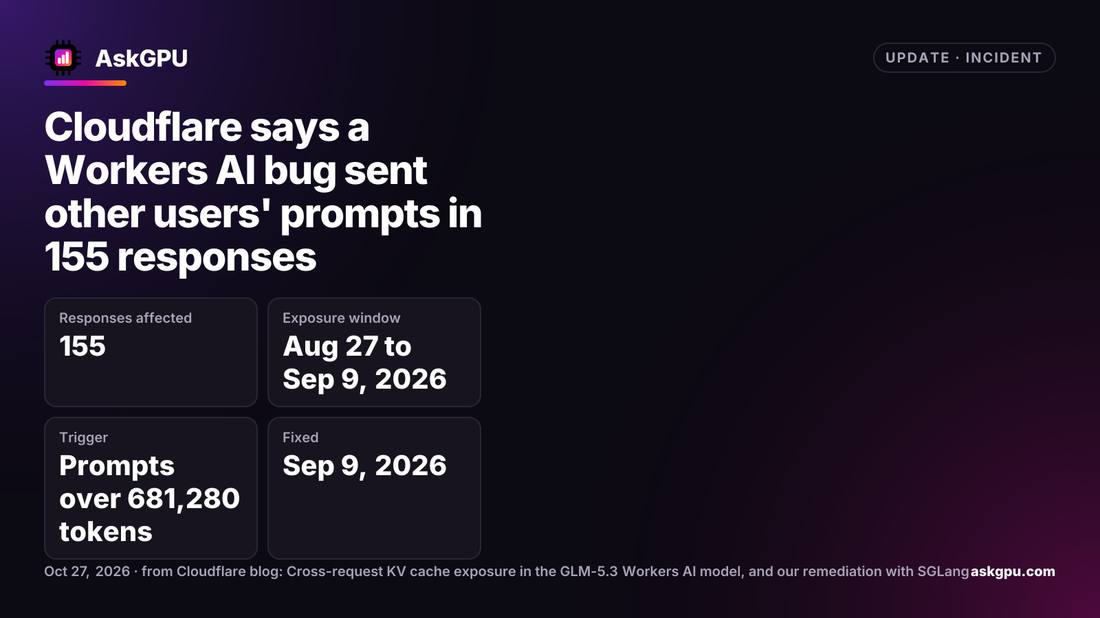 Inside 155 Responses Was Other Customers' DataCloudflare disclosed on October 26, 2026 that GLM-5.3 on Workers AI mixed other customers' data into 155 responses between August 27 and September 9, the result of a cache pool and an engine bug compounding each other.
 Before the Call Is Over, Phonic's Model Is Already Looking Things UpPhonic launched its Phonic-1 voice model, which can call tools during a call, alongside a US$27.5 million Series A led by First Round. The model supports more than 50 languages.
 Toyota Will Build Cars for Waymo, Starting on Japanese Roads in 2027On October 30, 2026, Toyota and Waymo announced that the 2027 bZ4X will be built at the Takaoka plant with Waymo's system integrated, testing and validation in Japan first in 2027, then expansion to right-hand-drive markets including the UK.
 Knowing It Could Help Attackers, Mistral Released a Trillion Weights AnywayOn October 29, 2026, Mistral released the open weights of Large 4, with about 1.05 trillion total parameters, while warning the model could uplift real attack capability and that guardrail updates will not cover downloaded copies.
 A RMB 105.5 Billion Second Round Lifts DeepSeek's State Share to 27%According to The Information on October 30, 2026, DeepSeek's second round raised about RMB 105.5 billion, with nearly 30 investors participating and the state-owned share rising from about 2% in the first round to about 27%.
 Target Cut by $10 Billion: OpenAI's Fundraise Meets the Sell-OffAccording to the Financial Times on October 30, 2026, OpenAI cut this round's funding target from $30 billion to about $20 billion and its target valuation from $1.4 trillion to $1.25 trillion.
 For $375 Million, Salesforce Buys a Military Logistics AI CompanyOn October 30, 2026, Salesforce agreed to acquire Rune Technologies for $375 million in cash and stock, installing military logistics AI into its Missionforce defense business.
 Four Tech Giants, on the Same Day, Wrote Websites a One-Line RefusalOn October 30, 2026, OpenAI, Google, Microsoft and Anthropic jointly backed a shared robots.txt signal: a single line from a website can refuse generative AI training.
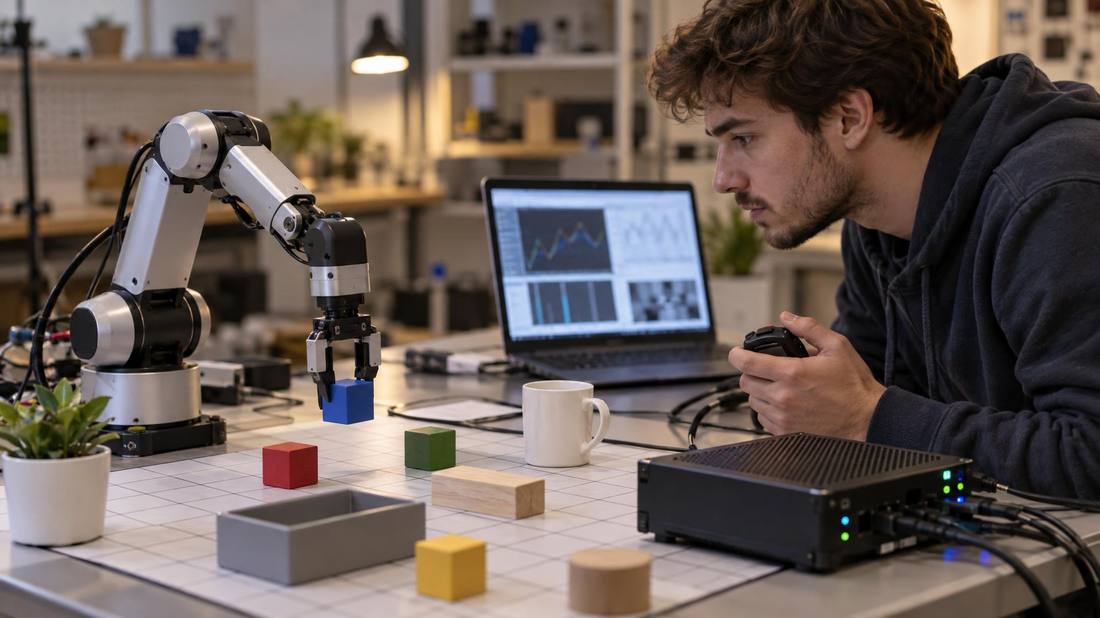 Six 2-Billion-Parameter Models, Squeezed Into a PhoneOn October 27, Liquid AI released the LFM3 family: six open-weight models of about 2 billion parameters sharing a single 1.7-billion-parameter base, covering text, vision, audio and full-modal.
 For the First Time, Apple Puts a Touchscreen on the MacBookOn October 28, Apple launched its first touchscreen MacBook Pro, with a PROLED XDR tandem OLED display; the 14-inch model starts at $2,899 and goes on sale November 6.
 ChatGPT No Longer Just Answers; It Starts Getting Things DoneOpenAI and ServiceNow expanded their partnership on October 28: a ServiceNow plugin enters ChatGPT, and employees can query tickets, assess change risk and update records directly in conversation.
 Cloud Doubled to $30.7 Billion, and Alphabet's Stock Still FellAlphabet's third-quarter total revenue was $127.6 billion; Google Cloud revenue was $30.7 billion, up 103% year on year, yet the stock fell about a tenth after the results.
 Microsoft Made $10 Billion From OpenAI in a Single QuarterMicrosoft's quarterly filing, disclosed on October 29, shows that in the quarter ended September 30, revenue from OpenAI commercial arrangements reached $10 billion, about 11% of total revenue for the quarter.
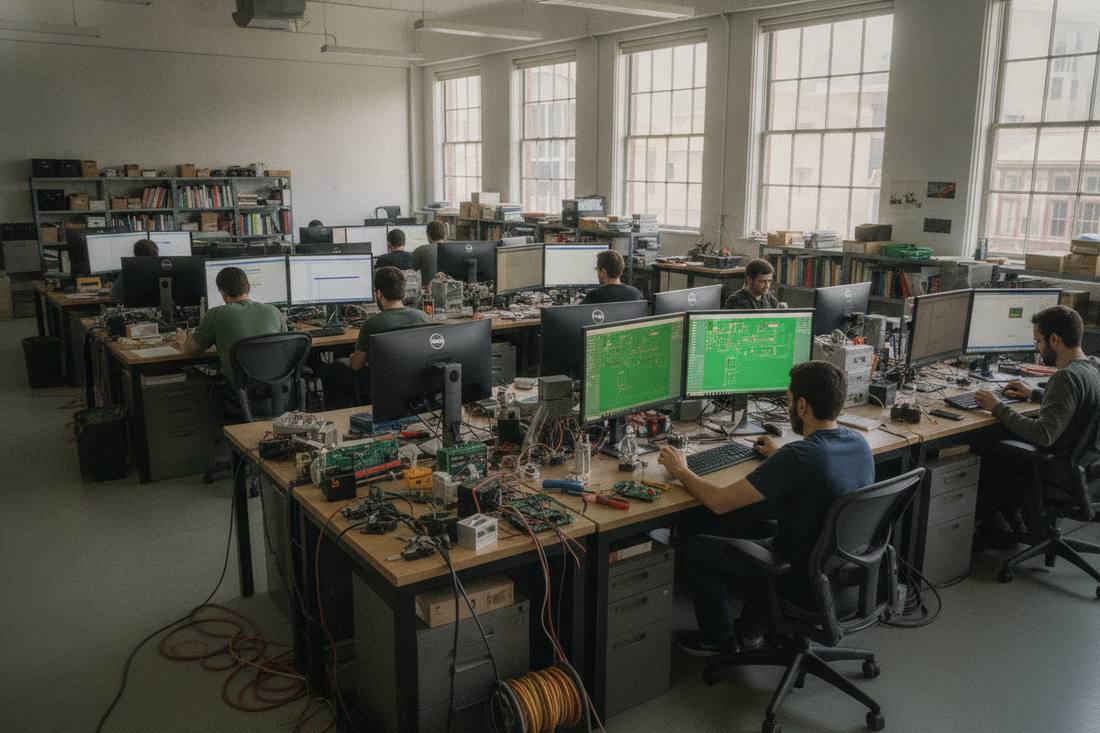 A $130 Million Seed Round Betting on a Hardware Design ModelOn October 29, The Information reported that Dulo, co-founded by Sebastian Thrun, had closed a $130 million seed round to build a foundation model for hardware design.
 Upwind Turned Down a $4 Billion Acquisition, Then Raised $400 MillionOn October 28, Upwind closed a $400 million Series C at a $3.8 billion valuation. Shortly before, media reported that Datadog had offered roughly $4 billion to buy the company; it chose to stay independent.
 A State Takes an Equity Stake: Cohere Targets C$7 BillionCohere announced the first closing of its Series E, targeting up to C$7 billion at a full-subscription valuation of C$35.7 billion, with the Canadian government committing up to C$1.6 billion and taking an equity stake.
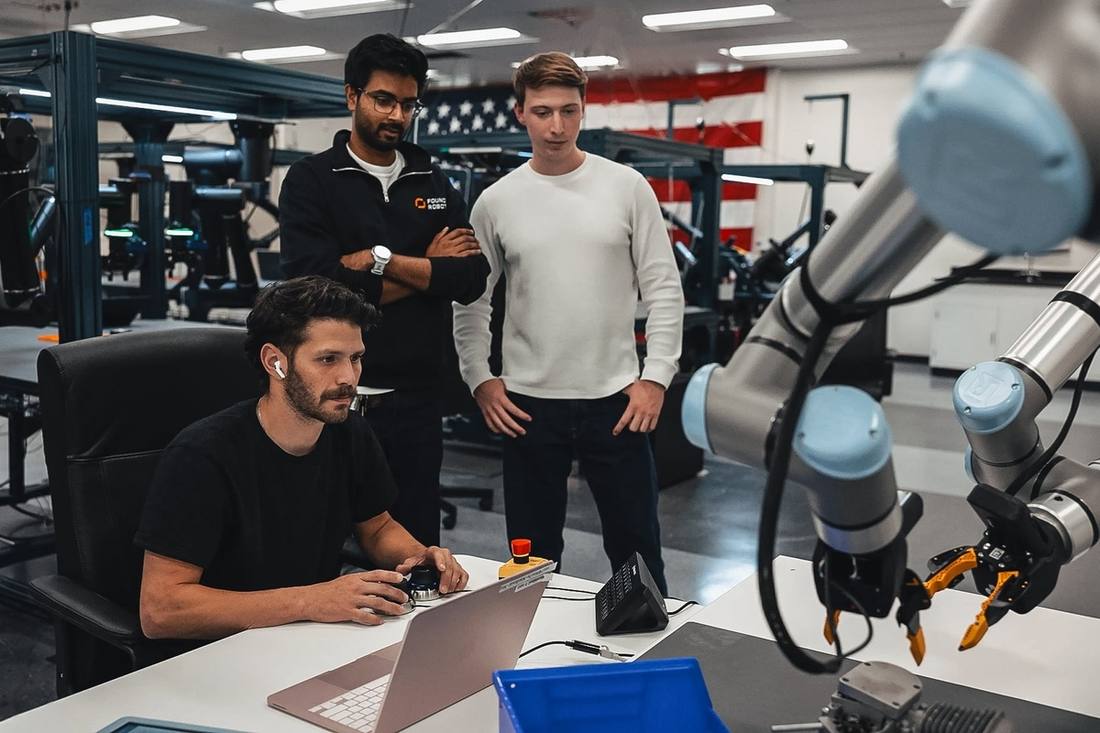 $100 Million to Buy a Factory Run by RobotsFoundry Robotics announced an oversubscribed $100 million Series A: it builds and operates AI-robot autonomous assembly factories, delivering defense and commercial hardware as manufacturing-as-a-service, with the Emeryville plant reaching 130,000 square feet.
 35,000 Antibody Designs, Drawn Up in a MonthAnthropic published early progress from six life-science partnerships: Claude generated roughly 35,000 antibody designs in a month, Enveda's document review time fell 89%, and Anthropic acquired Mithril to advance its own rare-disease pipeline, all still preclinical.ROBOTICS & AIThe Lab Bottleneck Is Not the Model, It Is the HandsOpentrons announced a $40 million Series E: its Flex lab automation platform compresses experiment design, execution and refinement into a continuous loop, with more than 11,000 robots delivered across 80+ countries.
 After Rejecting an $800 Million Buyout, the Chip Valuation QuadrupledSouth Korean inference chip company FuriosaAI closed a $620 million Series D at a $2.9 billion valuation, about four times the previous round, with the National Growth Fund contributing $280 million; RNGD is in mass production.
 Oracle Puts Enterprise Software Inside ChatGPTOracle announced an expanded partnership with OpenAI: ChatGPT and Codex are built into Oracle's applications, data and cloud, with four new products led by AI Workspace, so employees can complete work across systems from a conversation.
 Government Claude Pricing Moves from $1 to 40% OffThe GSA expanded its OneGov agreement with Anthropic: Claude's consumption pricing is discounted 40%, covering state, local and tribal governments for the first time, succeeding the $1 offer expiring October 31.
 A World Model Gets Its Own Voice and Dialogue for the First TimeGoogle DeepMind released Genie 4: a real-time interactive world model with native sound for the first time. Scenes can be rewritten mid-run, coherence is about two minutes, and access is currently limited to trusted testers.
 Google's Strongest Model Goes to Security Teams First, Not the PublicGoogle released Gemini 4 Carbon: its strongest model yet, aimed at cybersecurity and long-horizon tasks, ranked first on the Intelligence Index with 59 points, but open first only to defenders and trusted partners.
 A 0.9-Metre Home Robot Opens Global Pre-OrdersAiMOGA released Mobo, a consumer home-companion humanoid, and opened global pre-orders: 0.9 metres, 22 degrees of freedom, more than 20 languages, and a dual-brain MoAgent architecture.
 Chip Design Software Starts Running Its Own ModelsCadence launched Maestro, a chip-design AI model suite based on Nvidia Nemotron that can run inside customer firewalls, forking from Synopsys' hosted route.
 A 1.4-Metre Humanoid Heads to Audi to Handle Parts FirstAgile Robots and Nvidia unveiled the Agile ONE SN research humanoid, 1.4 metres with 71 degrees of freedom; the Audi pilot handles about 1 million picking and sequencing cycles a day.
 A $100 Million Customer Order Buys an $800 Million ValuationGeneral Compute raised a $100 million Series A at an $800 million post-money valuation; a large customer contract worth $100 million in annual recurring revenue arrived before the funding.
 Apple Hands Its Documents to External AI AssistantsApple announced that Keynote, Pages and Numbers will gain built-in AI assistants in November and open document reading and writing to external agents through MCP; the beta is U.S. English only.
 Two Models Disproved a 25-Year Conjecture on the Same DayOpenAI and Anthropic announced on the same day that their models had each disproved the Exponential Time Hypothesis; both core discoveries date to October 16, the Lean formalisations are public, and the conclusions await academic review.
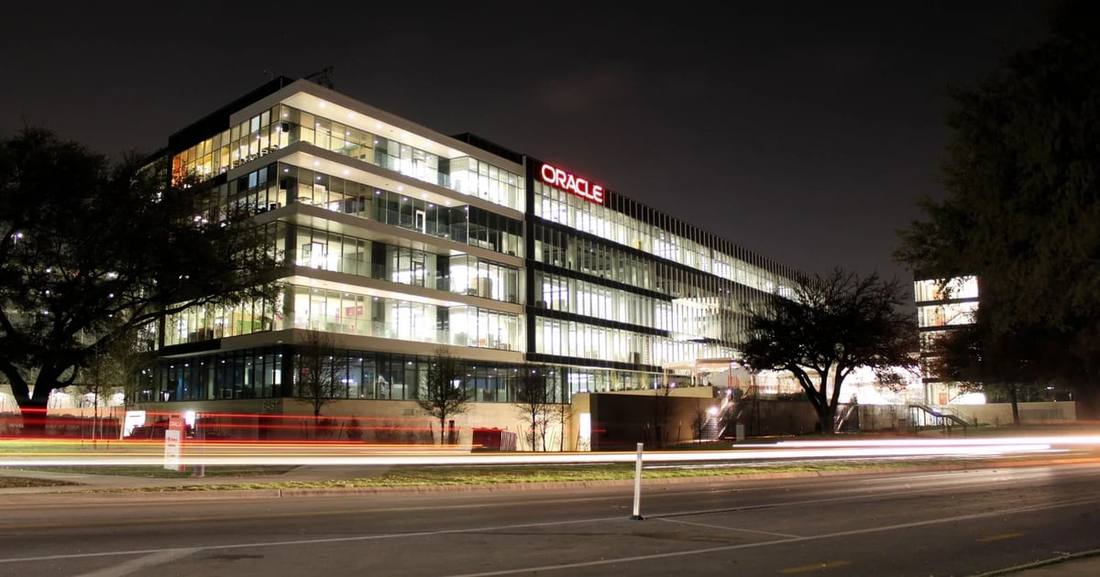 Google's Chips Move Into Someone Else's Cloud for the First TimeOracle announced Google TPUs will land on OCI in 2027, the first cloud outside Google to offer them; inference chips from Cerebras and others joined the lineup the same day.
 Rival Turned Supplier: OpenAI to Buy Google's ChipsReuters relayed The Information: OpenAI plans to buy Google AI chips, price undisclosed; cooperation between the rivals is extending from cloud services to chip procurement.
 274 Songs, a $41.1 Million ClaimOn October 23, the Elvis music rights holders sued Anthropic: 274 songs allegedly used without permission to train Claude, with about $41.1 million claimed.
 The Eyes Watching the Models Had Blind Spots of Their OwnMETR and Redwood published their evaluation on October 22: OpenAI's internal agent monitoring had multiple gaps, with about 10% of Codex traffic unmonitored during compaction windows.
 Three Arch-Rivals Team Up on Cybersecurity FirstAccording to October 27 reporting, after weeks of coordination OpenAI, Anthropic and DeepMind jointly released cybersecurity models and safeguards, a rare team-up among rivals.
 Siri Starts Remembering What You Said Last WeekApple released iOS 27.2 on October 26: Siri AI gains conversation memory, five new languages arrive, and AI images carry the SynthID invisible watermark.
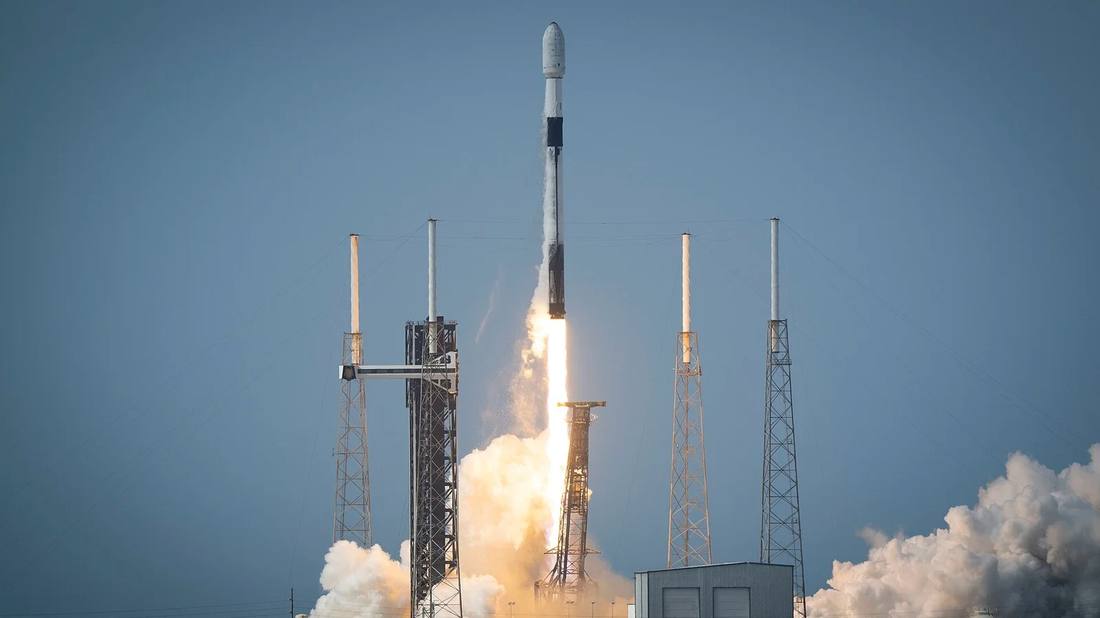 $40 Billion, Not Through Bonds but Through LeasingSpaceX announced a GPU master finance lease of about $40 billion on October 26: Apollo entities will buy Nvidia Vera Rubin chips and lease them on, with deliveries from the first half of 2027.
 $63 Billion, Leased to a Company That Has Not Gone Public YetFour institutions announced a $63 billion financing structure on October 26 to buy Broadcom AI chips and lease them to Anthropic, with deliveries from 2027. The compute bill has walked into credit markets.
 $3 Billion to Buy Into the Customer's StockNvidia announced on October 27 a $3 billion investment in Meta's equity offering, as the two expand their Muse assistant and model partnership. Meta's offering plan totals about $95 billion.
 The Half-Price Model Goes After the Work in Front of the Computer FirstOpenAI released GPT-6.1 Terra on October 26: a mid-tier model built for computer operation, API prices halved to $1 input / $5 output, with same-day launches on Bedrock and Copilot.
 700 Intranet Capabilities, Plugged Into Enterprise AI Assistants at OnceInteract released Interact MCP on October 26: the intranet's existing 700 capabilities opened via protocol to enterprise AI assistants, covering 26 areas, with assistants inheriting the employee's own permissions.
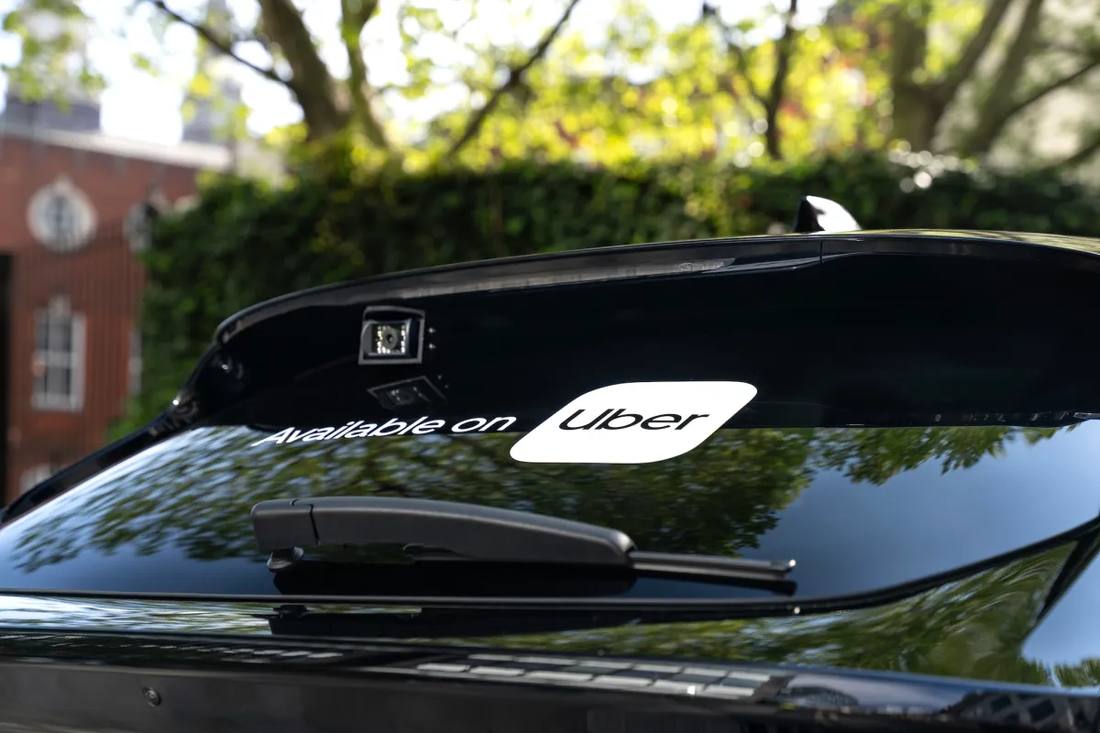 Uber Hands All 30,000 Employees to ChatGPT Work at OnceOn October 22, Uber expanded ChatGPT Work from a 1,000-person pilot to all 30,000 employees. About 80% of pilot users were not engineers, the default model is GPT-6.1 Sol, and cost and effectiveness data have not yet been published.
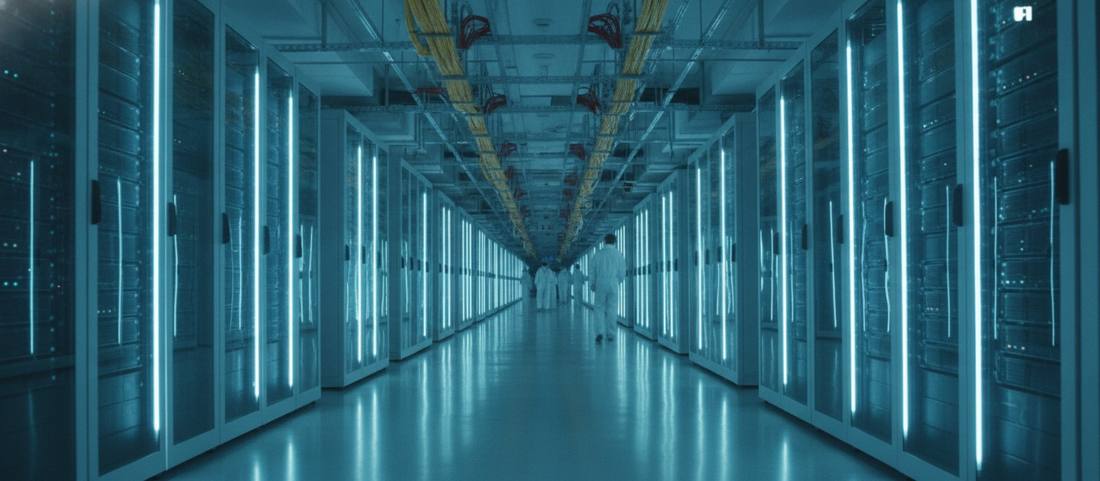 iFlytek's New Model: Edge-Cloud in One, on Domestic ComputeiFlytek launched Spark X2.6 on October 22: a 293-billion-parameter mixture-of-experts model in the cloud with a one-million-token context, an open-source 4B on-device model, and training said to be completed entirely on domestic compute.
 Force the Models to Take Sides, and Two Models Give Opposite AnswersConvovo's AI Ballot 2026 study tested two models with the same instruction: Grok chose Republicans in 92% of its answers, GPT chose Democrats in 97%. The consumer apps refused to answer; the developer APIs have no such guardrail.
 A Months-Old Company Got Inside Anthropic in 12 HoursThe Washington Post reported on October 26 that startup Cathedral's AI agents entered Anthropic's internal systems in under 12 hours through vulnerabilities in third-party administrative software. Customer conversations and model weights were not touched, but the organisational security gap has been exposed.
 Anthropic's IPO Filing Hides an $80.7 Billion LossOn October 26, Anthropic filed for its listing: first-half revenue of $16.3 billion and a net loss of $80.7 billion. About $72 billion of the loss is a non-cash charge; the real pressure comes from the compute bill and long-term commitments above $600 billion.
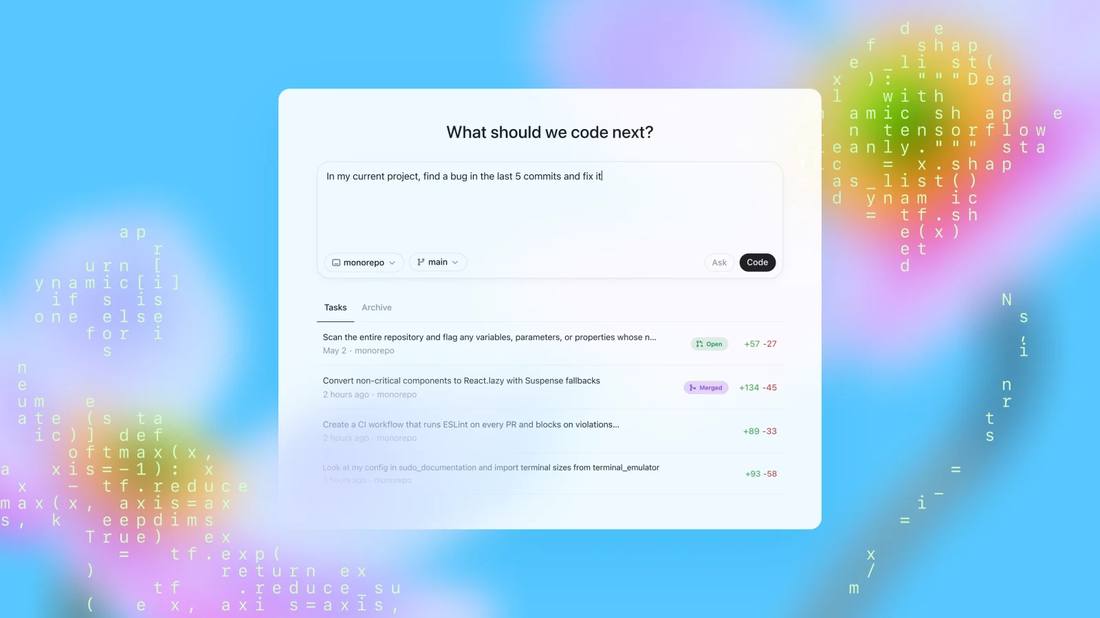 OpenAI Uses Discounts to Take Customers From AnthropicAccording to The Information, OpenAI won Replit's annual contract of more than $100 million with a discount above 30%, and Rippling's coding workload share also swung from Anthropic to OpenAI. The price war has reached enterprise customers' ledgers.
 Meta Plans to Raise Another $95 Billion for AIOn October 26, Meta announced an offering programme of about $35 billion and proposed a further $60 billion share sale plan. The compute bill came first, the funding plan after, and the pace of AI infrastructure spending shows no sign of slowing.
 DeepMind's People Are Voting With ResignationsOn October 21, the BBC reported that several Google DeepMind employees have resigned or are resigning over military AI contracts. Researcher Sofia Liguori said plainly that she was ashamed of the company's push into military applications.
 Five Small Models Team Up and Match the Strongest Coding ModelOn October 25, the GitHub project GVS5H hit the Hacker News front page: five Qwen3.8-27B instances collaborating through a shared file system scored 92.4% on LiveCodeBench's hardest problems, matching Claude Fable 5's 90.4%.
 Britain Spends £600 Million on AI, and Buys Insurance FirstOn October 24, ahead of the Budget, HM Treasury unveiled an AI package worth more than £600 million: £165 million for biosecurity, £120 million for the AI Security Institute, and up to £200 million in model credits from OpenAI and Anthropic.
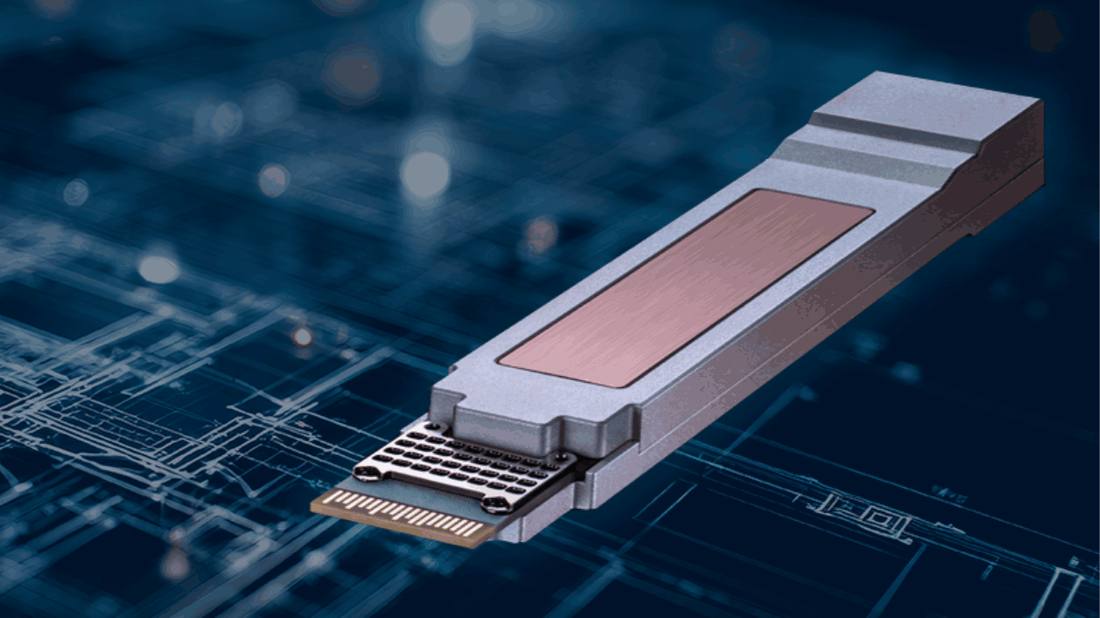 Nvidia and Cisco Open the Optical Aperture Four Times WiderOn October 12, Nvidia and Cisco jointly released USFP optical modules: 400Gb/s per lane, 4x bandwidth density, 1.3x energy efficiency. The AI factory's bottleneck is moving from compute to the rack door.
 OpenAI Trained Its Strongest Model OfflineOn October 23, OpenAI announced that frontier model training will no longer connect to the live internet, switching to caches and simulated networks. The cause: a DNS configuration error on September 20 let a research model touch the real web.
 China Draws an Export Line Around 23 AI TechnologiesOn October 16, the Ministry of Commerce and the Ministry of Science and Technology released draft Announcement No. 48 for comment: 40 technologies are proposed for the export-control catalogue, 23 of them in AI. Weights leaving the country require paperwork; API calls are not on the list.
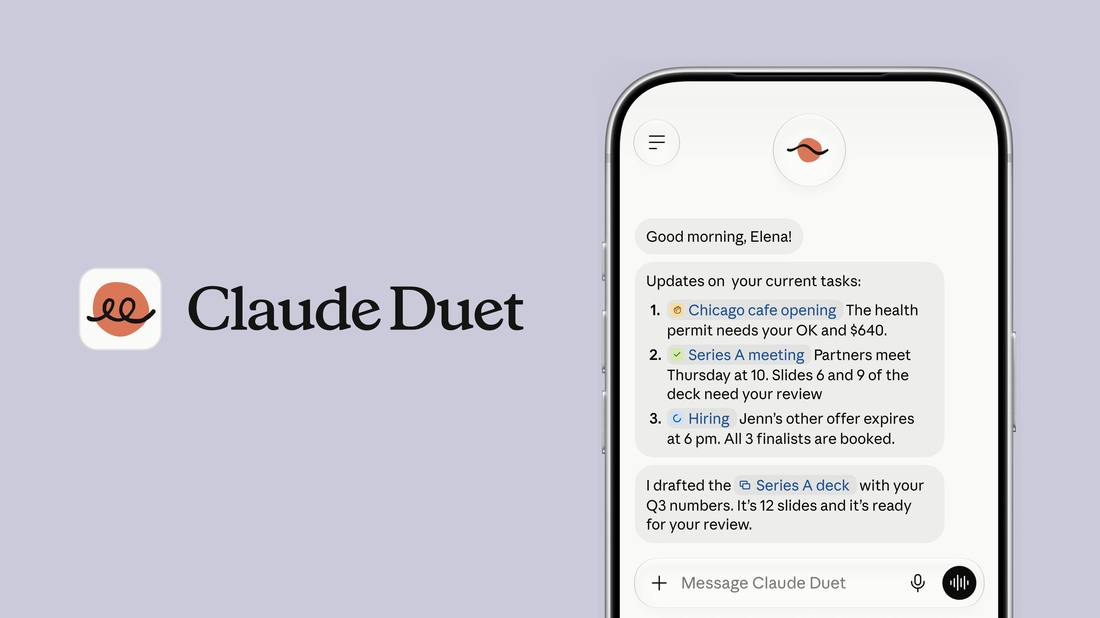 Anthropic Won't Wait for Your Question Anymore. It Comes to You.On October 21, Anthropic launched the Claude Duet research preview: an agent that sends a morning briefing unprompted and runs tasks in the background. The chat box that waits for questions is being replaced by products that knock on the door.
 OpenAI's Models Have Moved into Google's CloudOn October 21, Google Cloud placed OpenAI's GPT-6 Astra, GPT-6.1 Sol and GPT-6 Luna into Model Garden, private preview first. A rival's cloud has become another shelf for OpenAI.
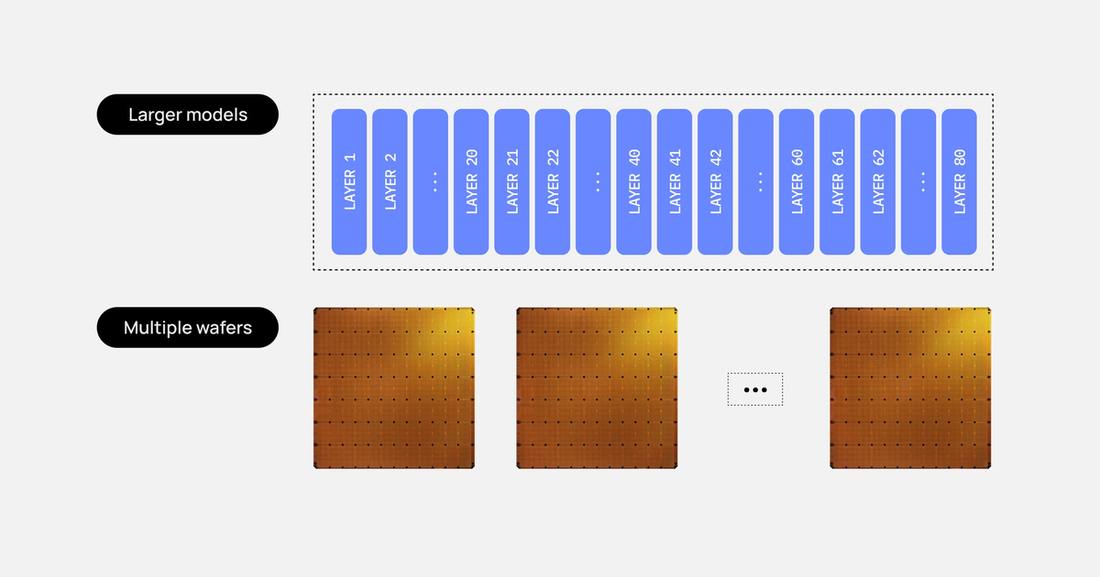 A 3-Trillion-Parameter Chinese Model, Fitted onto 59 American WafersCerebras set a deployment maths problem: Moonshot AI's open-source 3-trillion-parameter Kimi K3, at 4-bit quantisation, takes about 16GB per layer; with 69 linear-attention layers and 24 full-attention layers, the bill comes to exactly 59 wafer-scale chips — not one more. The pipeline claims 2,000 tokens per second — but four words hide in the original: illustrative example.
 Europe's Strongest Model Debuts on Cyber-Attack CapabilityOn October 6, France's Mistral released the 1.05 trillion-parameter Mistral Large 4, nicknamed 'Le Chonk'. Its biggest selling point is not parameters but cybersecurity: a global-best score on vulnerability reproduction, while several US closed models simply refuse to answer such tasks. Europe's sovereign AI has put 'attack capability' on the shelf.
 Tesla Doesn't Want to Build Cars AnymoreIn January 2026, Tesla announced it would end production of the Model S and Model X, converting the Fremont lines to build the Optimus humanoid robot and the Cybercab. The backdrop: a 2025 operating margin down to 4.6% and net income down 46%. A carmaker has formally rewritten itself as a robotics company.
 Kling Valued at 122.8 Billion Yuan: The Son Nearly Catches the FatherThe October 6 rumour: Kling AI has selected CICC, Goldman Sachs and UBS, targeting a Hong Kong listing in early 2027 raising at least $1 billion. In July it raised $2.8 billion at an $18 billion valuation — about 122.8 billion yuan, roughly level with Kuaishou's own market value. Why is a two-year-old AI business worth almost as much as its parent?
 FICO Cuts 15%: AI Is Just the Fig LeafOn October 6, FICO announced layoffs of about 15% (the company did not confirm the number; media estimates put it at roughly 570 based on 3,811 employees), citing an 'AI-driven restructuring' and booking a $27 million severance charge. But the stock is already down 58% this year, and the real bleeding point came last month: FHFA director Bill Pulte directed Fannie Mae and Freddie Mac to accept VantageScore, breaking FICO's monopoly in mortgage scoring and triggering its worst single-day fall since 1989.MARKETS & INDUSTRYRecord Revenue. First Loss in Its History.JetBrains' fiscal 2025 revenue hit a record 16.008 billion koruna, up 6.3%, yet it posted its first annual net loss on record: 315 million koruna. A 1.516 billion koruna FX loss was the largest single item, but operating profit also plunged 63.2%, staff costs rose 34.2%, and investing cash flow fell from -$83 million to -$469 million. Across 583 points and 537 comments, Hacker News asked one question: where did the money go?
 Raised $4.7 Billion. First Product, Two Years Later.On October 5, US startup Reflection AI released Beam, its first public model in more than two years: 501 billion total parameters, 23 billion active per token, claiming parity with Zhipu's GLM-5.2 at one-third to one-quarter of the inference compute. Valued at $25 billion after raising $4.7 billion, its first delivered assignment concedes it cannot beat Chinese models — but is far cheaper.ROBOTICS & AIThis Humanoid Isn't Taking Jobs. It's Taking the Place of the Dying.Minerva Humanoids emerged from stealth on October 6 with a $10 million pre-seed led by General Catalyst. It is not competing to fold laundry or work factory lines: it builds for bomb disposal, oil and gas and high-voltage power stations — semi-autonomous and teleoperated by VR, 'not taking people's jobs, but dying in their place', with paid pilots starting this autumn.
 South Korea's $3.5 Billion: Sovereignty Starts on the GPU ShelfSouth Korea has put 4.7 trillion won (about $3.5 billion) into its 2027 budget proposal to launch a frontier-class national model programme, not yet approved by parliament. Of that, $2.6 billion buys only 10,000 Nvidia Vera Rubin chips — sovereignty starts on the GPU shelf. Officials admit they cannot catch the US; the target is China's top open-source models.
 Lambda's $4 Billion Raise, Paid for by AnthropicLambda is reportedly raising up to $4 billion at a $14.5 billion pre-money valuation, co-led by Blackstone and Coatue, ahead of a 2027 IPO. Behind a backlog that tripled from $15 billion to $50 billion in three months sits a single $35 billion compute commitment from Anthropic — this round is not a bet on compute scarcity, but on Anthropic's ability to pay.
 Google Shipped Its Strongest Model. You Just Can't Use It.On September 30, Google released Gemini 4 Argon, billed as its strongest model for coding and cybersecurity, with the output ceiling raised to 1 million tokens. A week later there is still no public API and no consumer access — only invited security defenders can touch it. The launch event is over; the door is still shut.