
The Judge Did Not Let Go: xAI's Turbine Case Fights On
On October 30, 2026, US Judge Debra M. Brown rejected xAI's motion to dismiss, and the NAACP's Clean Air Act suit alleging its Southaven gas turbines were unpermitted proceeds. Whether the law was broken has not yet been determined.
- 01THE SUIT — April 2026: the NAACP files the Clean Air Act suit.
- 02THE MOTION — xAI moves to dismiss on mobile-source, standing and constitutionality grounds.
- 03THE RULING — October 30, 2026: the judge rejects the motion to dismiss.
WHAT HAPPENEDWhat Happened
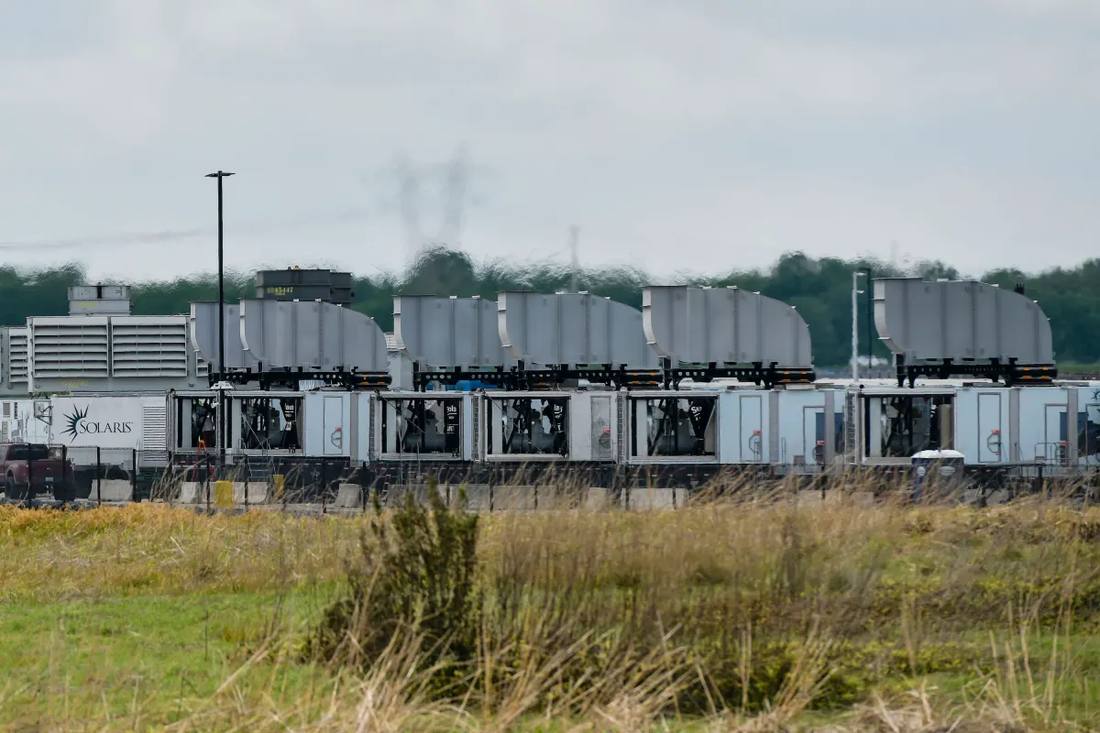
On October 30, 2026, Chief Judge Debra M. Brown of the US District Court for the Northern District of Mississippi signed a 28-page opinion rejecting the motion to dismiss filed by xAI and its subsidiary MZX Tech. The NAACP alleges the two companies built and operated a gas turbine power plant in Southaven, Mississippi, without the permits the law requires; the plant supplies power to the Colossus 2 data centre in Memphis, Tennessee.
All three of xAI's arguments were rejected. First, that the NAACP lacks standing to sue on behalf of its members. Second, that the turbines are mobile sources, exempt from fixed-plant permit requirements. Third, that the Clean Air Act's citizen-suit provision is unconstitutional because it hands the president's enforcement power to private parties. The judge's conclusion was one sentence in effect: the plaintiffs' claims proceed.
The crux is the mobile-source determination. Mississippi's environmental regulator wrote to xAI in July 2025 saying the turbines, mounted on flatbed trailers and each staying less than 12 months, were mobile and temporary and therefore exempt from permitting. The judge held that turbines which cannot propel themselves while working count as stationary combustion turbines under federal rules, and that the state regulator's letter, being inconsistent with the state implementation plan approved under the Clean Air Act, does not bind the court.
THE LETTEROne Letter from a State Regulator Cannot Carry a Permit Exemption
The core of xAI's exemption logic is the state regulator's July 2025 letter. The letter read 'mounted on a trailer' as mobile and 'staying less than 12 months' as temporary, and the two readings together meant the plant needed no permit.
The judge took the definition apart: mobility is judged not by the chassis, but by whether the unit can propel itself while working. However large a turbine is, if it sits still while operating, it counts as stationary equipment. Where the state letter conflicts with the federally approved state implementation plan, the plan prevails; the letter itself cannot rewrite the rules.
CITIZEN SUITSThe Constitutionality of Citizen Suits Survived This Round Too
xAI's third argument took the constitutional route, claiming citizen suits hand federal enforcement power to private parties. The judge's distinction was clean: plaintiffs in citizen suits sue in their own name, seeking penalties that redress harm to themselves and their members, not the exercise of the federal government's executive power.
The significance of this ruling extends beyond the case. Had the Clean Air Act's citizen-suit provision been struck down as unconstitutional, the filing path for a large body of environmental litigation would have been shaken. By refusing that route, the judge preserved the citizen suit's standing as an oversight tool.
SECOND TIMEThe Second Time This Month a Dismissal Attempt Was Blocked
This is already the second attempt this month to end the lawsuit early. An October 19 order allowed the federal government to join as an intervenor while rejecting the Justice Department's request for dismissal. The Justice Department then filed a cross-claim arguing the suit could not proceed without US consent, which also failed.
Next to be decided is the NAACP's application for a preliminary injunction. If granted, turbine operations would be directly restricted. Rejecting dismissal only lets the case keep being fought; the real outcome is still ahead.
THE SHIFTWhat Changed
SIGNAL JUDGMENT — ANALYSISA Data Centre's Power Cannot Bypass Permits
Tokenta Signal's judgment: what xAI lost this time is the permit-exemption interpretation, not the substance of the case. The faster compute expands, the less power compliance can rest on a single letter; permits must come before switch-on.
WHAT REMAINS UNCERTAINWhat Remains Uncertain
EVIDENCEEvidence
The original report confirms Judge Debra M. Brown rejected xAI's motion to dismiss on October 30, 2026; the NAACP alleges the Southaven gas turbine plant was unpermitted, the judge held the turbines are not mobile sources, and the case proceeds.
PRIMARY SOURCESPrimary Sources
- TechCrunch: Judge allows NAACP lawsuit over xAI data center pollution to move forward
https://techcrunch.com/2026/10/31/judge-allows-naacp-lawsuit-over-xai-data-center-pollution-to-move-forward/ - AI Affairs: Federal judge lets NAACP air pollution lawsuit against xAI proceed
https://www.aiaffairs.com/government/judge-allows-naacp-xai-southaven-air-pollution-lawsuit/
RELATEDRelated Intelligence
- Update: Apple Intelligence Beta Goes Live in China, With Qwen Inside Siri
- Nvidia Reportedly Tells Cloud Partners to Cap Chinese Customers at 49% of New Contracts
- China Accelerates Full-Lifecycle AI Legislation: DeepSeek, Moonshot AI and Alibaba in Scope
- OpenAI and Anthropic set up election war rooms for the first time: the midterm election day duty test